|
|
|
|
|
|
Issue 161 ––––– 22/10/26 Change of perspective Sometimes it’s the smallest details that leave the biggest impression, be it a treasured, nostalgic keepsake or even a painting that changes the way we see a space. This week we explore the ideas and people behind these quotidian pleasures, from the gallerist bringing fresh attention to Sri Lankan talent to the designers weaving colour and craft into everyday objects. We also embrace a seasonal approach to skincare and discover how a childhood memento became sculptural a work of art. Starting from the Cyclades on the art of releasing control is Konfekt’s deputy editor, Chiara Rimella. |
|
|
|
|
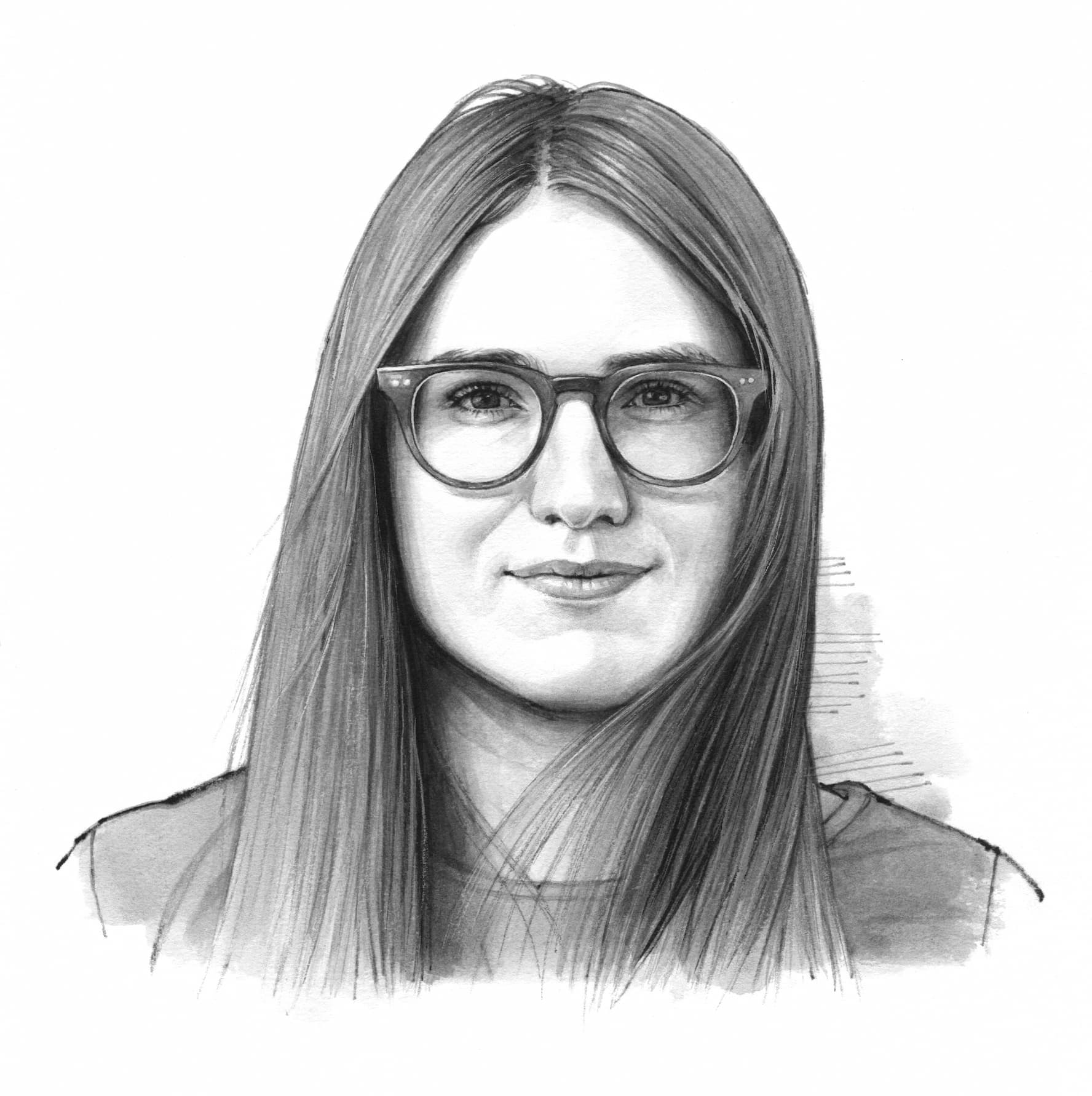
Agenda ––––– Chiara Rimella Flow stateI have lost count of the number of times that people have told me, whether during interviews or in conversation, how soothing working with ceramics could be. Over the years, my reporting has led me to meet plenty of those who left high-flying corporate careers to become potters and swore by the therapeutic power of the wheel. And yet, in the many studio visits I have made, I hardly ever gave it a go myself. Even when I attended a workshop with architect Nzinga Biegueng Mboup in Dakar, despite the intention to make a little pot, I got too distracted by note-taking to get stuck in the clay. There are a few reasons for that reluctance and my diligence as a journalist is only half of the story. Most of all, I have always doubted my natural predisposition towards practical creativity; I feel clumsy in translating thought into action and have long believed that only by mastering a skill properly could the rewards – both physical and psychological – be reaped. However, a couple of weeks ago, when I took a seat at a table presided by a hefty lump of greyish clay for a workshop led by Greek ceramicist Maria Economides, something shifted. On the shaded patio of the new Luura Cliff hotel, on the western flank of the Cycladic island of Paros, things felt more achievable. The sun, still shining generously in October, imbued everything with possibility. The decision to make for the Aegean had been fairly impromptu. Something about those stolen moments of unlikely summer – swimming in cyan-blue waters, lying on a sunbed in my room’s stone-flanked terrace, looking to the hilly contour of Antiparos – made me open up to a more instinctive version of myself. Economides’s work is largely based on the intuitiveness of hand-building techniques, such as pinching and coiling; the idea is to delve straight into pre-history to reconnect with primal, universal gestures. In her hands the clay turns into balloon-like objects – some taut, others almost deflated – streaked like metamorphic rock. Her explanation of the pinching method was detailed but direct: roll the clay into a ball, pierce a thumb-shaped hole into it and create enough of a cup-like shape to be able to tease it upwards. My first attempt was coy and hesitant; I didn’t apply enough pressure and the result was over-wrought and lopsided. The drying clay started to crack open – I was taking too long. I could have left it at that but I reached for another ball. This time, I resolved to work quickly, reactively, to trust my hands. To my surprise, the new vessel stood taller and prouder. My mind had disappeared in the gestures. Ceramics had done its therapeutic work; the stories, it turns out, were true. Was this my message to learn how to work fast, play loose? Perhaps that approach doesn’t necessarily apply to all tasks in life – but listening to your instinct, in moulding clay or otherwise, is a lesson that I’ll happily let shape my future endeavours. |
|
|
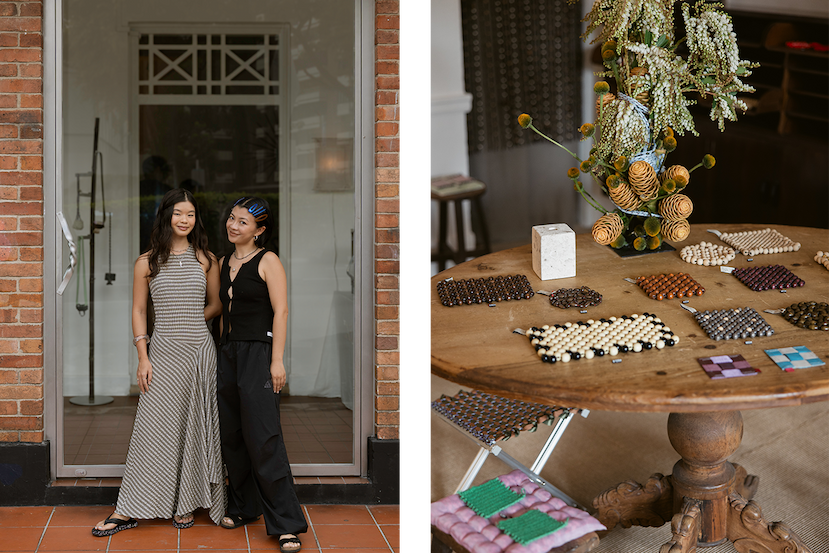
Shop here ––––– Tanchen Studio Weaving magicSanchia Tan and Amber Chen met at Central Saint Martins, where they studied textiles and became “weave buddies”, in Tan’s words, deciding that they’d start a business together one day. The idea came to life seven years ago, when they launched accessories brand Tanchen Studio, combining their surnames in a nod to the word “tension” – a concept central to the art of weaving. |
|
Chen is based in Shanghai, where she focuses on production, while Tan lives in Singapore. The duo opened the brand’s first boutique in the island city-state last year: inside, you’ll find their hit 0/0 bags, designed to hold wine bottles; Mazha stools, which combine nylon cord and ribbon in cheerful colourways; and beaded placemats reminiscent of taxi-seat covers. A jewellery collection is in the works, in which they will experiment with silver for the first time. “These aren’t things people need – they’re wants,” says Tan. “This made us less cautious about creating: our products can be things we like, for fun.” |
|
The edit ––––– Brooke Theis Face valueBy Brooke Theis, Konfekt’s associate editor |
|
In cooler climes, whipped by the wind, it’s easy for skin to become parched – and the serum-SPF combination that I used through the summer no longer fits the bill. This is the time I tend to switch up my routine, using a gentle cleanser that nourishes and brightens, such as Dr Sebagh’s Rose de Vie, with lipid-rich pumpkin-seed extract, and make-up that acts as skincare. Gucci Westman has developed a hydrating foundation infused with peptides and vitamin B3 to support renewal and my skin feels all the better for it.
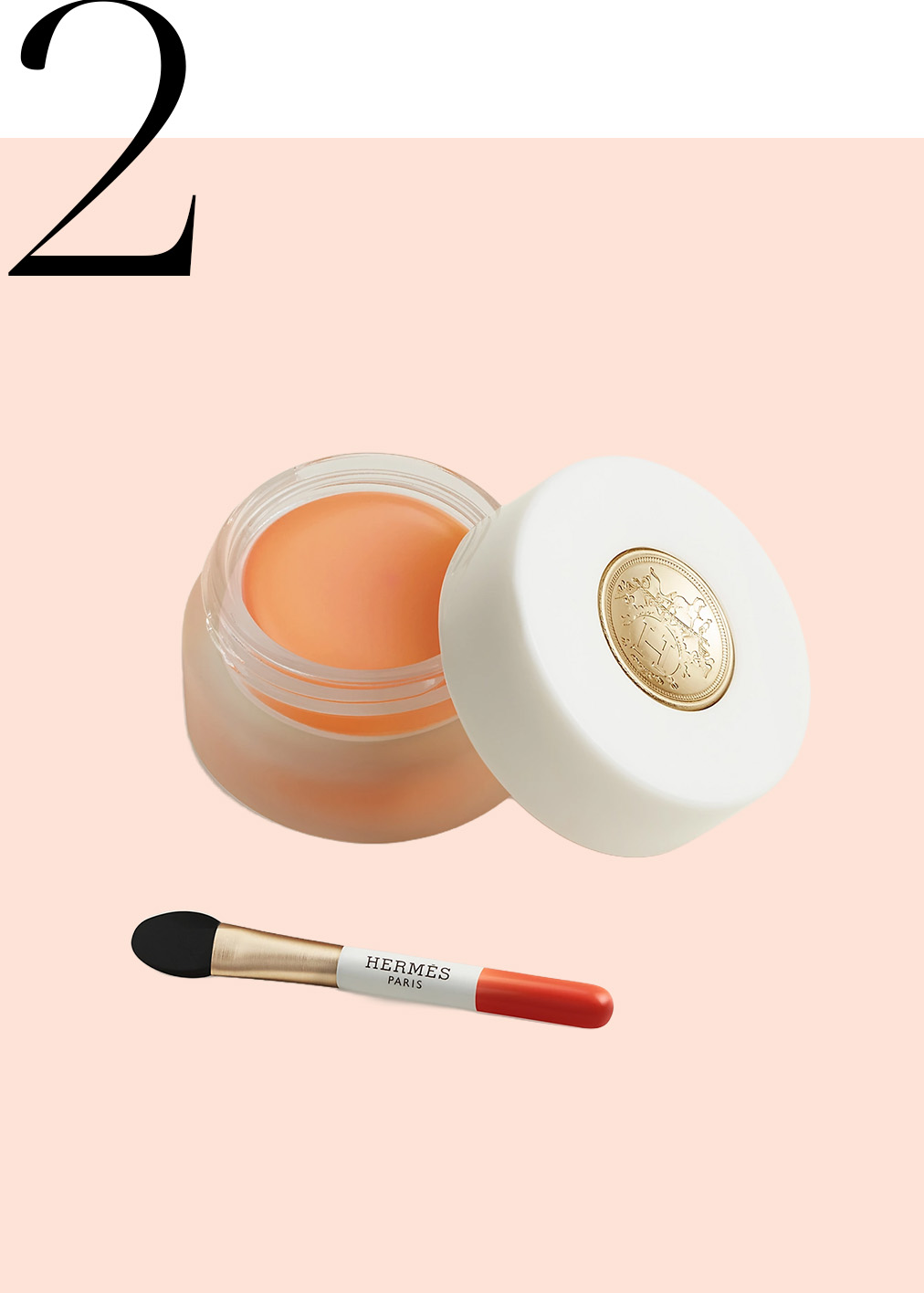
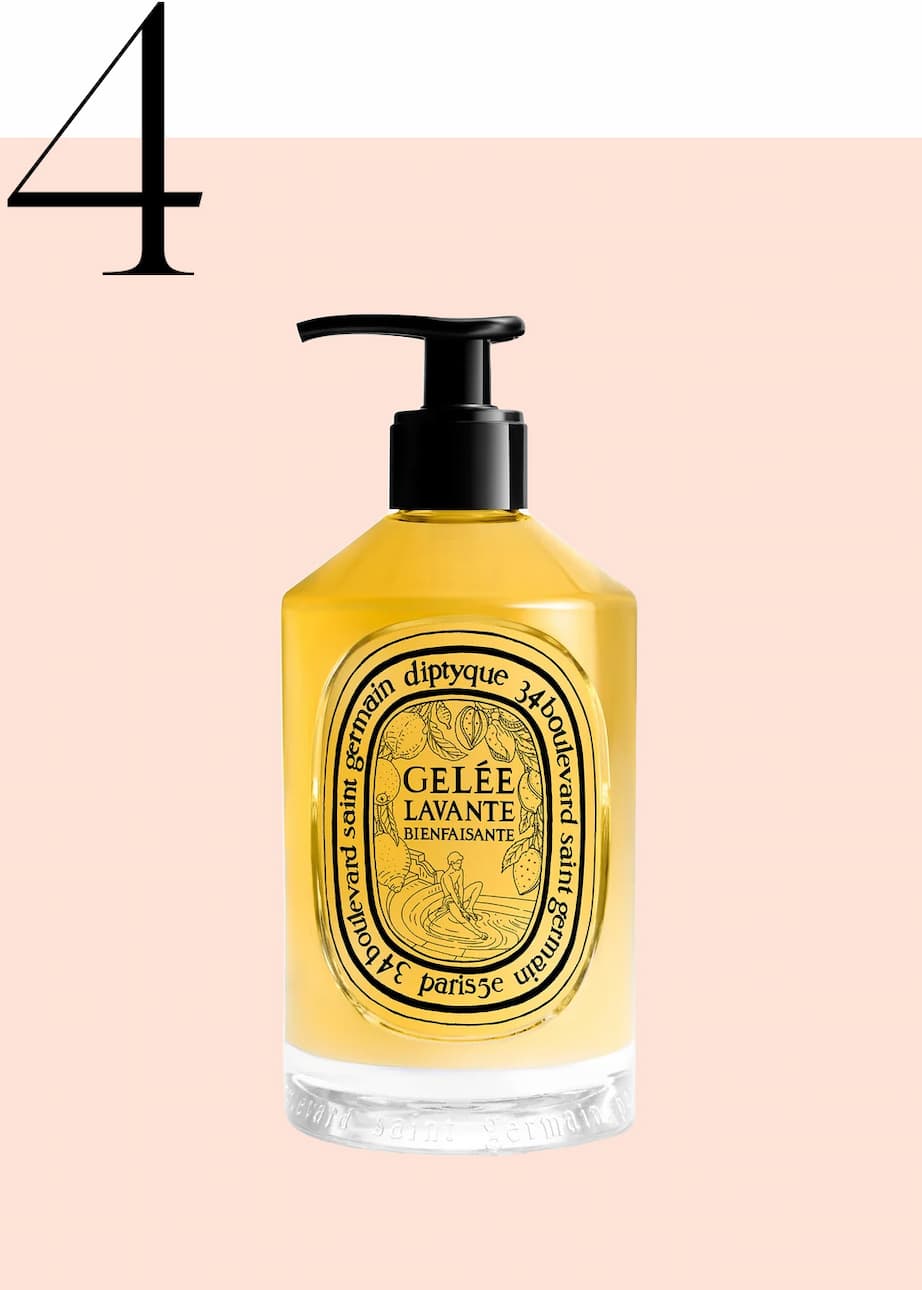
The season also calls for small indulgences. For me, these have come in the form of Hermès’s new shea-butter-infused lip mask and Diptyque’s nurturing sweet-almond body soap, as both necessitate a meticulous form of application. The former comes with a small brush with which to apply the formula; the latter should be lathered on generously using a natural sea sponge. Both act as a welcome reminder to stop and pay attention to how I’m feeling, if only for a few moments. |
|
1. Rose de Vie Cream Cleanser by Dr Sebagh 2. Nourishing Lip Care Mask by Hermès 3. Suprême Bio-Complex Liquid Foundation by Westman Atelier 4. Nurturing Cleansing Gel by Diptyque |
|
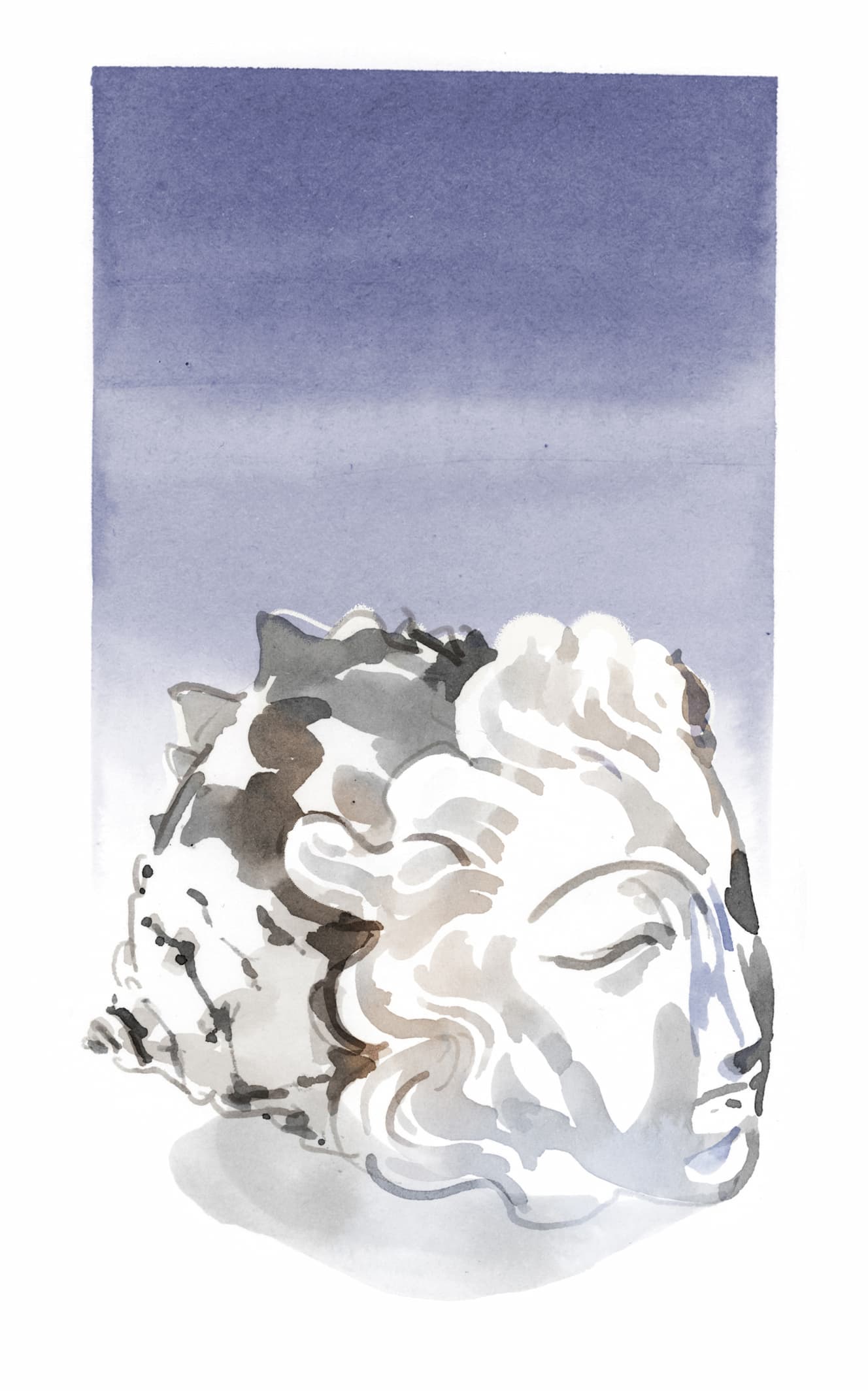
Heirloom ––––– Marina Raphael Silver yearsThis sculpture, which sits in the living room of my home in Porto Heli, Greece, holds more than 20 years of memories. As a little girl I spent Christmas holidays in the Maldives with my family and, one afternoon, walking along the beach with my mother, I discovered this beautiful shell. I kept it for years, knowing that one day I wanted to transform it into something that would preserve both its natural beauty and the memory that it carried. |
|
Years later I collaborated with one of my favourite Greek sculptors and jewellery-makers, Peter Vlitidis, whose work often explores shells and silver. Together, we reimagined it as a sculptural object, allowing the original shell to become part of something new without losing its history. Its contrast has always fascinated me as a designer: the delicate, imperfect beauty of nature meets the strength and permanence of silver, the two almost melting into one another.
It is more than an object: a bridge between past and present, connecting the little girl who found shells on a beach to the artist and designer I am today. In many ways it captures what I continue to explore through my work at Elie Saab (as the brand’s artistic and design director of handbags) and at my own label, Marina Raphael, transforming something deeply personal into something enduring.
|
|
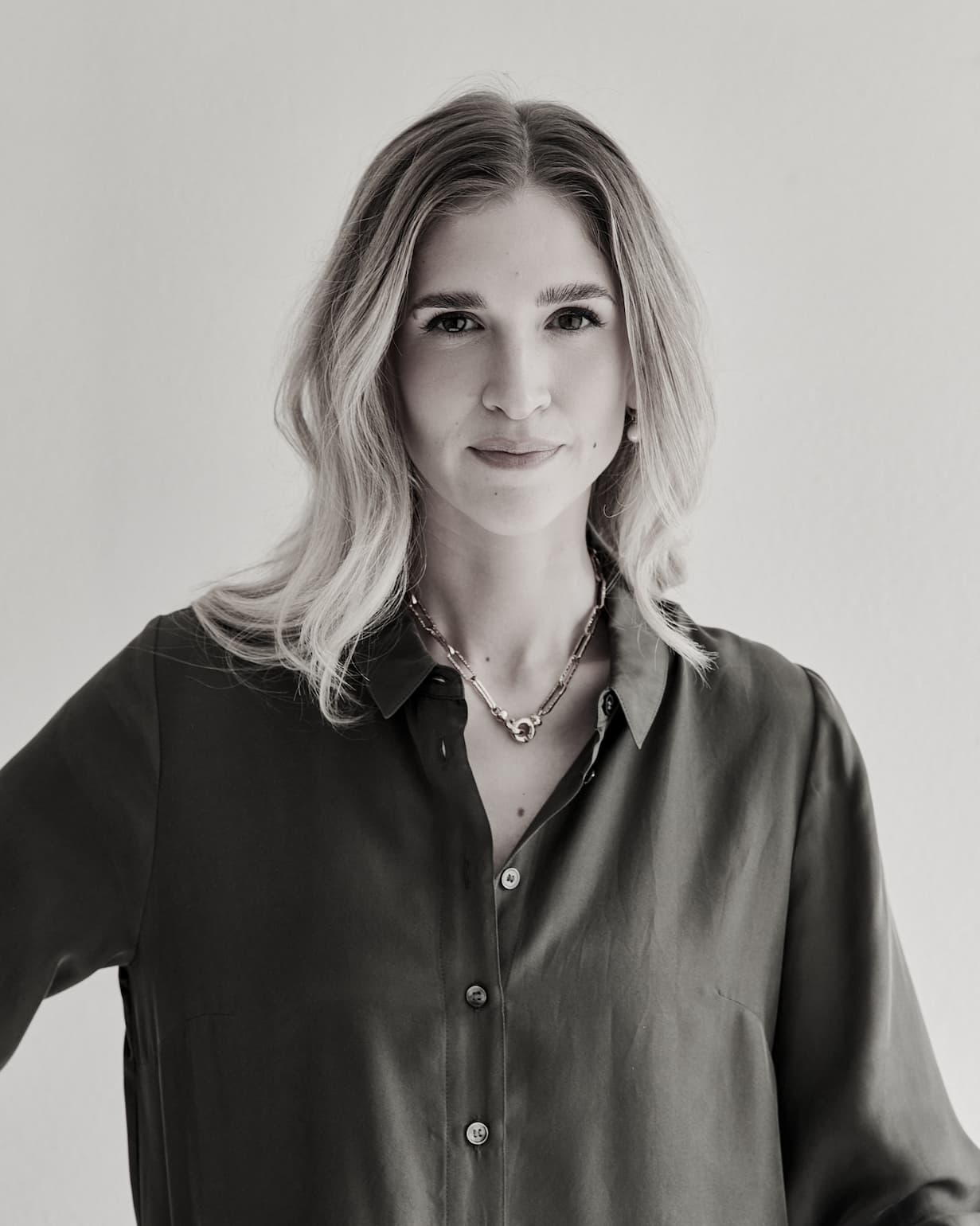
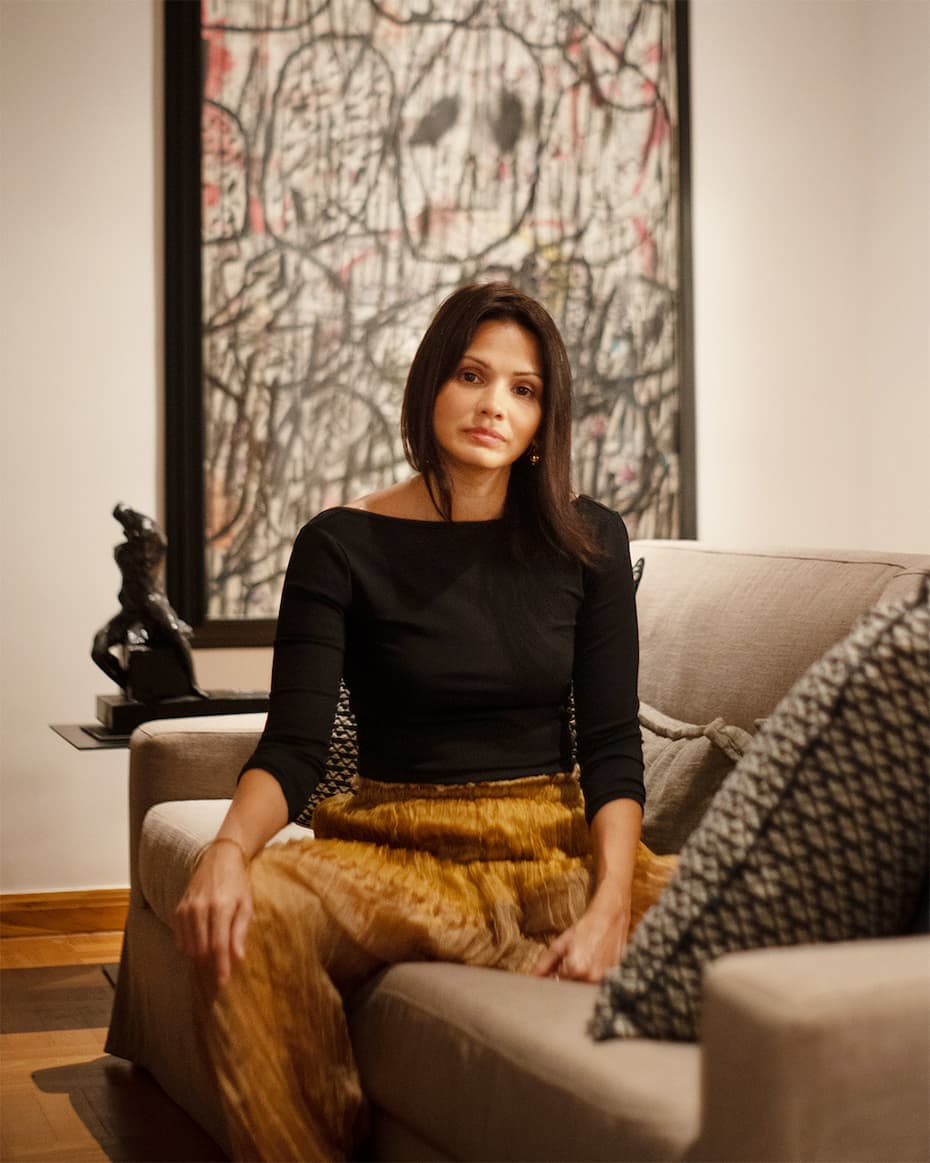
Home truths ––––– Saskia Fernando Art of the matterSince opening her eponymous contemporary gallery in Colombo in 2009, Saskia Fernando has reshaped the art scene in Sri Lanka, setting the bar for how work from the island is represented within and beyond its shores. Hailing from a creative family that has made its mark with hospitality and retail brand Paradise Road, Fernando has a discerning eye. Through fairs, exhibitions and residencies, she platforms trailblazing masters, such as Dr HA Karunaratne, and emerging artists, such as Sandatharaka Abeysinghe. Her creativity also spills into jewellery, designing pieces for her brand Papillon du Thé – a name inspired by Sri Lanka’s rich tea history. Here she tells us about her love for her home city and why a savoury cheesecake is her dinner-party go-to. |
|
How would you describe your interior-design style?
It revolves around the art in our collection: I like to keep furniture and objects minimal and textures warm. Aside from muted prints and a monochrome palette, I prefer it if the colour and vibrancy come from the art around us, which is always changing. First thing you would grab in a fire?
I keep memory boxes for my family, containing my daughter’s first toy and pair of shoes, and the letters and cards my late mother wrote to me. A favourite plant?
Anything that survives with little care. I don’t have a green thumb but I do love to be surrounded by nature. The lowest-maintenance, perhaps, would be a metal sculpture of a fig tree that my father designed with an artist we both work with. A few books for the coffee table?
Lionel Wendt’s Ceylon; Roloff Beny’s Island: Ceylon; Udayshanth Fernando: Living Design; Chandraguptha Thenuwara: Acts of Seeing; and Bawa Staircases by David Robson and Sebastian Posingis. What are some favourite things about your city?
The noise, the quiet, the trees. Colombo is vibrant and messy. We have excellent restaurants, beautiful handmade craft and clothing brands, a growing gallery scene and it’s small so it’s easy to get around. If you had to live in another place, it would be…
I would like to live in the hill country in Sri Lanka, enveloped by nature and away from everything. We have such stunning regions on this tiny island that I truly can’t imagine wanting to live anywhere else. Bright lights or a dim view?
A dim view. Apart from the white-cube spaces in our gallery, which we complement with darker, obsidian-grey rooms, I get stressed when lighting makes you feel as though you’re in a doctor’s office. Your go-to dish…
Anything from my mother’s little box of handwritten recipes. From spätzle to her chocolate mousse, these are made as a ritual of remembrance. A dinner-party shortcut?
A savoury Basque cheesecake is an easy crowd-pleaser. Candles and Astier de Villatte incense set the mood, and flowers are a must. I’m lucky in that my shelves are always full of Paradise Road linen and crockery options. One ingredient you couldn’t live without?
Garlic and butter. Did you say one? Recipe book or play it by ear?
Recipe book. I recently joined a cookbook club and it has pushed me to take on challenges in the kitchen. It’s also a wonderful way to meet an entirely new group of people who share your love of food. A few contacts from your phonebook for fixing a house?
Annika Fernando Design, Philip Weeraratne Associates Architects and our go-to bas (handyman) who works miracles in our colonial-era home. A treat in the bathroom cabinet?
Officine Universelle Buly soap. |
|
|
|
|