|
|
|
|
|
|
Issue 160 ––––– 15/10/26 Ripe for the picking Autumn has arrived in all its dusk-coloured glory, sweeping in a new season of fresh starts and softer light. And where better to settle in as the nights grow longer than a Munich hotel with art nouveau-inspired interiors? To the soundtrack of violinist and composer Esther Abrami’s favourite songs, we then savour a damson spirit and feast our eyes on Europe’s seasonal art exhibitions. Leading us into the vibrant world of Frieze London is Konfekt’s editor in chief, Sophie Grove. |
|
|
|
|
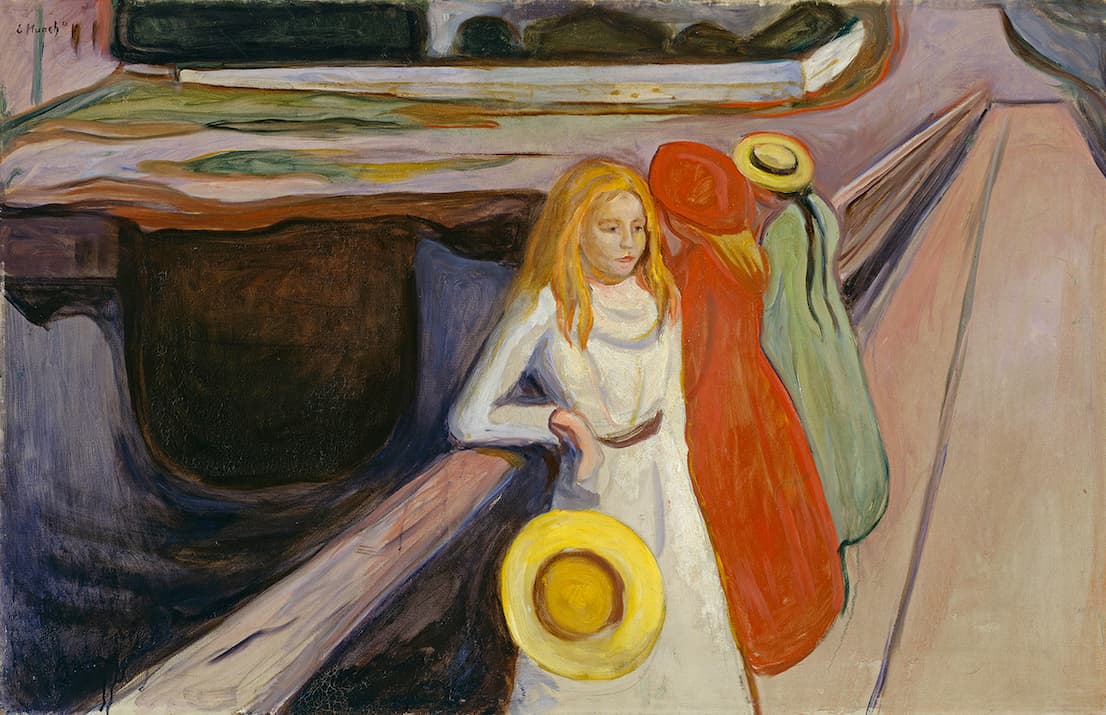
Agenda ––––– Sophie Grove Effervescent encountersThere’s a frenetic energy on the pavements of London this week as the Frieze Art Fair throws open its tented environs to the public. The overspill is palpable all the way to our offices in Marylebone; cabs are in short supply and cafés overflow with glossy Pleats Please-clad newcomers basking in the dappled sun (a contraflow of buyers also drifts up from Berkeley Square, where the PAD design fair has taken residence). As the city’s plane trees gently lose their leaves, galleries and boutiques seize the moment for vernissages, unveilings, dinners and art-adjacent happenings. Nearing Frieze next to London Zoo – where giraffes pop their heads over their enclosures – always feels like a spectacle as collectors and press converge, marching up the ramps. Inside, bold millinery and soft leather tailoring waft among the exhibits this year: attendees have embraced a sharp dress code to reflect the artworks. Konfekt’s radio team took a coveted perch at the Ruinart Art Bar to speak to Tadashi Kawamata, a fêted Japanese sculptor whose wooden constructions mimic bird’s nests and dens: fragile, organic forms in reclaimed wood, often tethered to historic buildings, that reaffirm the ingenuity of nature. At Frieze, Kawamata’s tsunami of wooden boxes hugs the corner of the lofty white tent – itself an impermanent structure. The artist’s intention, he told us, was to create art that pops like a champagne bubble rising to the surface of a glass. This is a great metaphor for an art fair that is designed to emerge, fizz and inspire the city – then finally disperse. It felt as though this year’s iteration was, more than ever, about discovery, whether it was the tiny illuminated houses of Polish sculptor Agata Ingarden that I encountered upon entering (crafted from mussel and oyster shells, and plinths made from discarded office blinds) or the dreamscapes of artists such as Dutch-British painter Nick Goss, which can be found in Edinburgh’s Ingleby Gallery. For me, the works evoked escapism but also a sense of home. At Frieze Masters, a learned crowd gathered on Wednesday night in rooms painted deep green and ochre. Here, you can wander among displays that feel rather like a pop-up country house. In one turn of the room, I saw remarkable works by Frank Auerbach, Francis Picabia’s “Le Chat” (The Cat), a stunning display of ceramics by Lucio Fontana and a tiny, jewel-like drawing by Sophie Taeuber-Arp at Larkin Erdmann gallery. Museum-like precision and a studious air imbue the fair, where niche canons of art are discussed over creaky desks and glasses of white Burgundy. Here, you feel that the artworks are grounding; they have a wise and weighted air that has shaped living rooms and libraries. It struck me how we huddled around a Duncan Grant painting rather like we might around a fire on a cold day: drawn in by its energy and beauty, basking in the brilliance of the artist’s brushwork and use of vivid colour so many years after he created it. This is the true value of art seen up close. Strolling through the halls, I had to compel myself to stop and drink in these encounters, to connect with works that call out in the hubbub and pay them real attention. My mind always races when I see a red dot beside a piece. I couldn’t help but speculate about whose wall that swirling Grant might end up hanging on. That frisson is very much the point. The fair is like one of Kawamata’s beautiful bubbles: it soars and delights before the crimson stickers are peeled off the temporary walls and the artworks are boxed up to begin their next chapter.
|
|
|
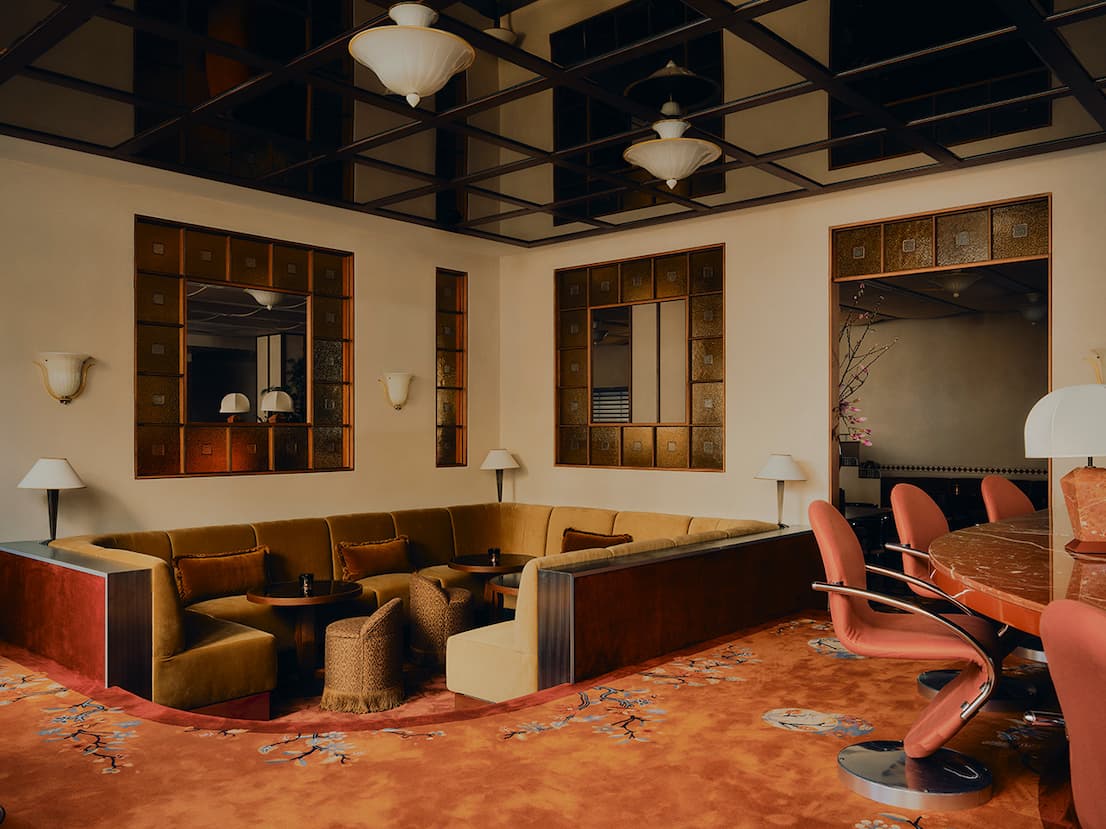
Sense of place ––––– The Dean Munich A world of its ownOnce an industrial stronghold, Munich’s vibrant Westend neighbourhood reveals an unexpected side to the city. Take Irish-born hospitality brand The Dean’s latest outpost, which recently opened here. “The creative community reminds me of east London in its early days,” says the German-French designer behind the hotel’s interiors, Tatjana von Stein, who remembers walking past pottery studios and wine bars on her first visit. For Von Stein, the commission was a chance to look at her birthplace through a fresh lens. “I wanted to understand which historical and cultural movements defined the city, so that I could infuse that heritage into our design.” |
|
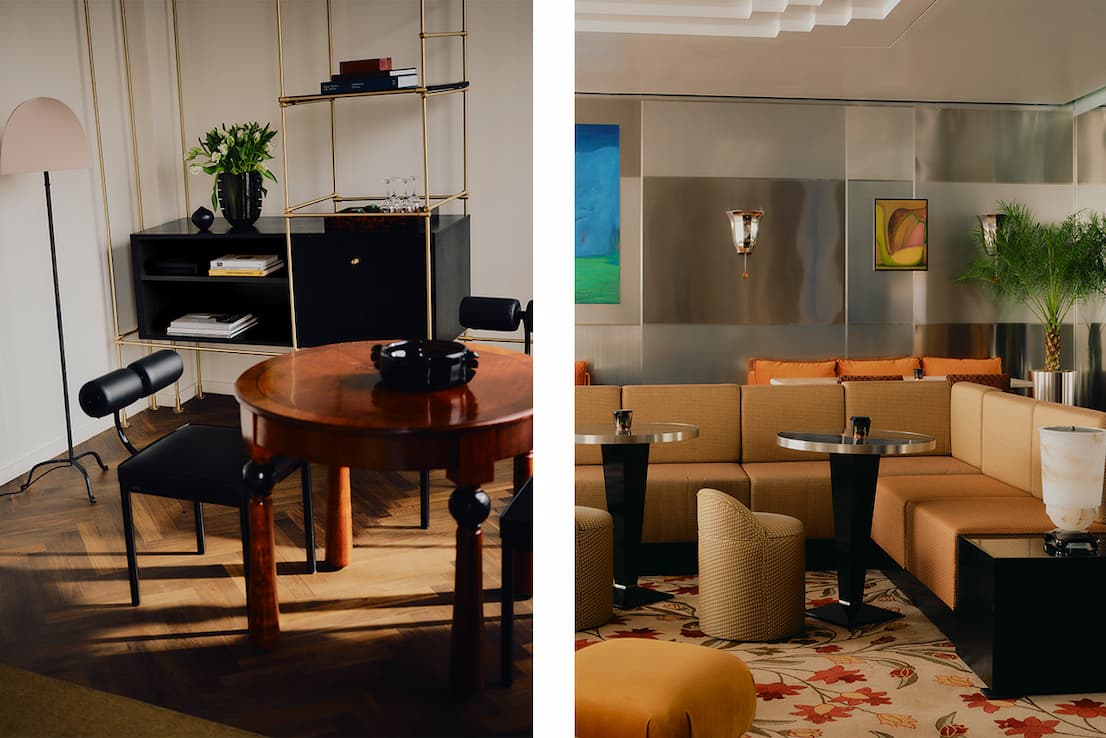
From her research, two pivotal influences emerged: Jugendstil (the German interpretation of art nouveau) and the music scene of the 1980s, when Freddie Mercury lived and recorded in Munich. Inside, the juxtaposition between these two eras is clear: polished metals and glossy veneer evoke new wave sleekness, while stained glass and velvet upholstery gently nod to Jugendstil. “I like to create friction,” says Von Stein. The design of the 281-key hotel becomes more indulgent as you move from room to room. At Ibasho, The Dean’s Japanese restaurant, rust-coloured fabrics and floral motifs complement dishes such as crispy salmon sushi, black cod with spicy miso and a shiso sorbet with eucalyptus. Noren, a richly decorated speakeasy hidden behind the split-level bar, completes the experience. |
|
Playlist ––––– Esther Abrami High notes |
|
|
Royal College of Music-trained violinist and composer Esther Abrami has performed at Carnegie Hall, Vienna Musikverein and Royal Albert Hall, as well as this season’s Paris Fashion Week. Her latest album, Amour, marks a shift in her musicianship, centring her own compositions. In an episode of Konfekt Conversations, she talks about her process and motivations. Here she shares her favourite songs to play among friends, which you can also find on Spotify. 1. “Nocturne No. 2 in E Flat” by Frédéric Chopin, Maurizio Pollini 2. “Summertime” by Charlie Parker 3. “Valse Lente” by Germaine Tailleferre, Lang Lang 4. “It Don’t Mean a Thing” by Regina Carter, Jimmy Rosenberg, Frank Vignola 5. “Boléro, M. 81” by Maurice Ravel, Berliner Philharmoniker, Kirill Petrenko 6. “Wolf Hall” by Debbie Wiseman, The Locrian Ensemble of London 7. “Atraente” by Chiquinha Gonzaga, Luciana Soares 8. “Apple Tree” by Rachel Portman, Esther Abrami 9. “Marche du printemps sans amours” by Elsa Barraine, Théo Fouchenneret |
|
|
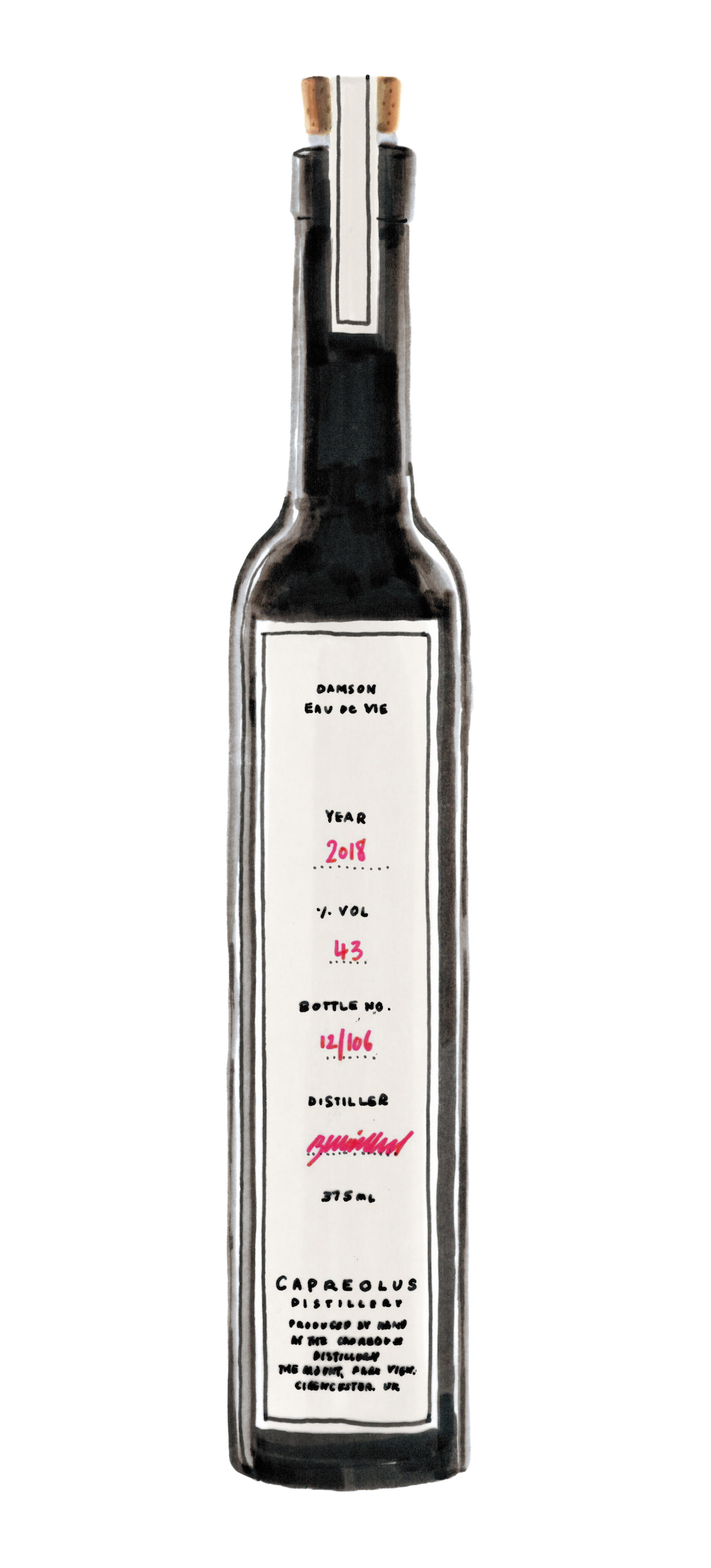
The spirit ––––– Capreolus Damson Eau de Vie Bearing fruitBy Millie Milliken
Autumn ignites all our senses: the sound and texture of crunchy leaves underfoot, the scent of petrichor in the air, the sight of the deep amber of the sun and, of course, the taste of new fruits and vegetables coming into season.
In an unassuming shed at the bottom of his garden, UK-based distiller Barney Wilczak makes ethereal fruit spirits. His world-renowned eau de vie is a style of unaged fruit brandy, an expression not only of the produce that makes it but also of its environment and the turning of the seasons.
Wilczak’s Capreolus Damson Eau de Vie 2021 is a snapshot of this hard-to-find plum, which comes into its own as the first hints of autumn arrive. Harvested from the Vale of Evesham, these small, dusky and tannic fruits are fermented and distilled to create a spirit that is brimming with bright notes of sherbet and heady florals, before deeper hints of cacao and almond emerge. The spirit has a pine-resin-like texture and a nutty earthiness, rounded out by bags of stone-fruit character and a touch of spice. |
|
|
|
|