The NEA and NEH were established in 1965 under the National Foundation on the Arts and the Humanities Act, signed by President Lyndon B. Johnson. The law explicitly connected the arts and humanities to civic life: “Democracy demands wisdom and vision in its citizens.” It described access to the arts and humanities as part of an education that could help people become “masters of their technology” rather than its “unthinking servants.”
Why would the federal government connect the arts and humanities to democracy in the first place?
Philosopher John Dewey offers one answer. For Dewey, democracy was not simply a form of government but a “mode of associated living,” built through communication and shared experience. In Art as Experience, he rejected the idea that art belonged in a separate realm from ordinary life. Art could communicate experiences, create connections, and help people bond over shared history.
Another philosopher, Martha Nussbaum, makes a related argument about democratic citizenship. In Not for Profit: Why Democracy Needs the Humanities, she argues that literature and the humanities cultivate the “narrative imagination,” or the ability to consider what life might be like for people whose experiences differ from our own. That capacity, she argues, is essential to democratic life.
Taken together, these ideas offer another way of understanding public investment in culture. The arts do not simply entertain us or preserve the past. They help shape the stories, experiences, and frameworks through which we understand our society and our place within it.
In other words, culture is part of how we are socialized into society.
This is particularly relevant to the way we understand monuments and public space at Embrace. The stories we preserve, the people we memorialize, and the cultural institutions we sustain communicate something about whose histories matter and who is invited to see themselves as part of the public story.
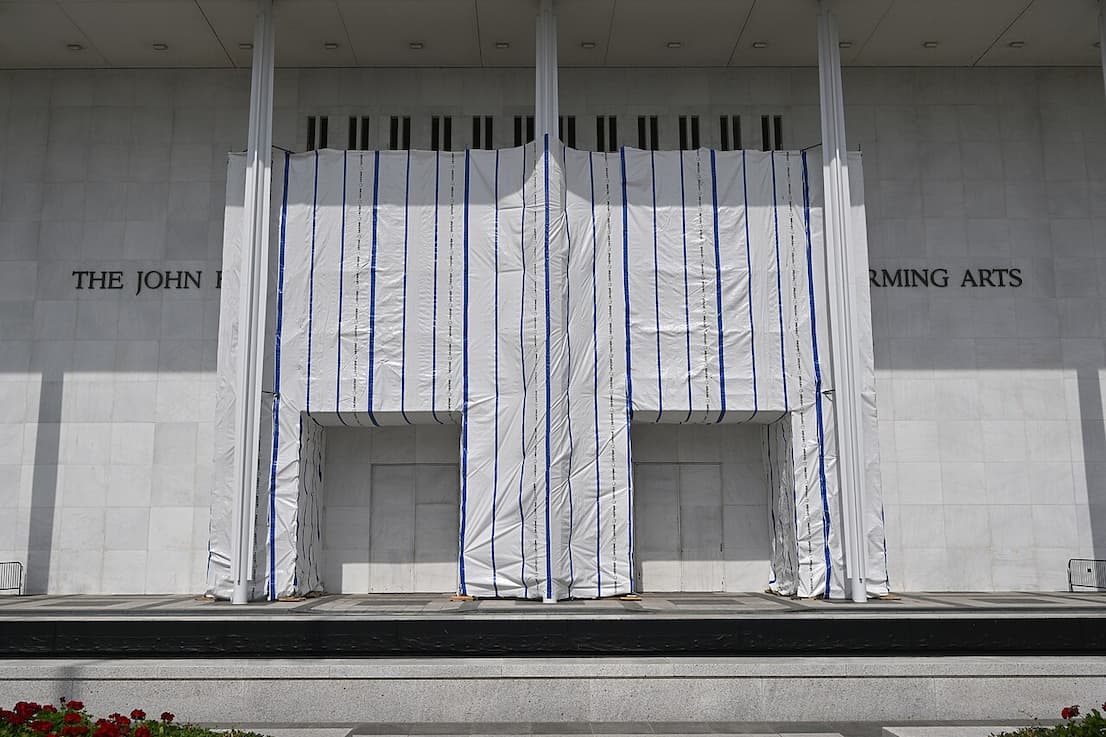
Seen through that lens, the fight over the Kennedy Center is not about one building, nor is federal arts funding simply a budget question. It raises a more fundamental question: Is culture something we collectively build and preserve as a public good, or something we increasingly leave to private interests to determine?
The stakes of that question extend beyond the future of the arts. They touch how we remember, imagine, understand one another, and learn what it means to live together.