Liu Xiaodong’s storied art career has been described as an “on location” practice. The Chinese painter regularly immerses himself into new environments around the globe in a documentary-style exploration of niche cultures that unfold across his canvases.
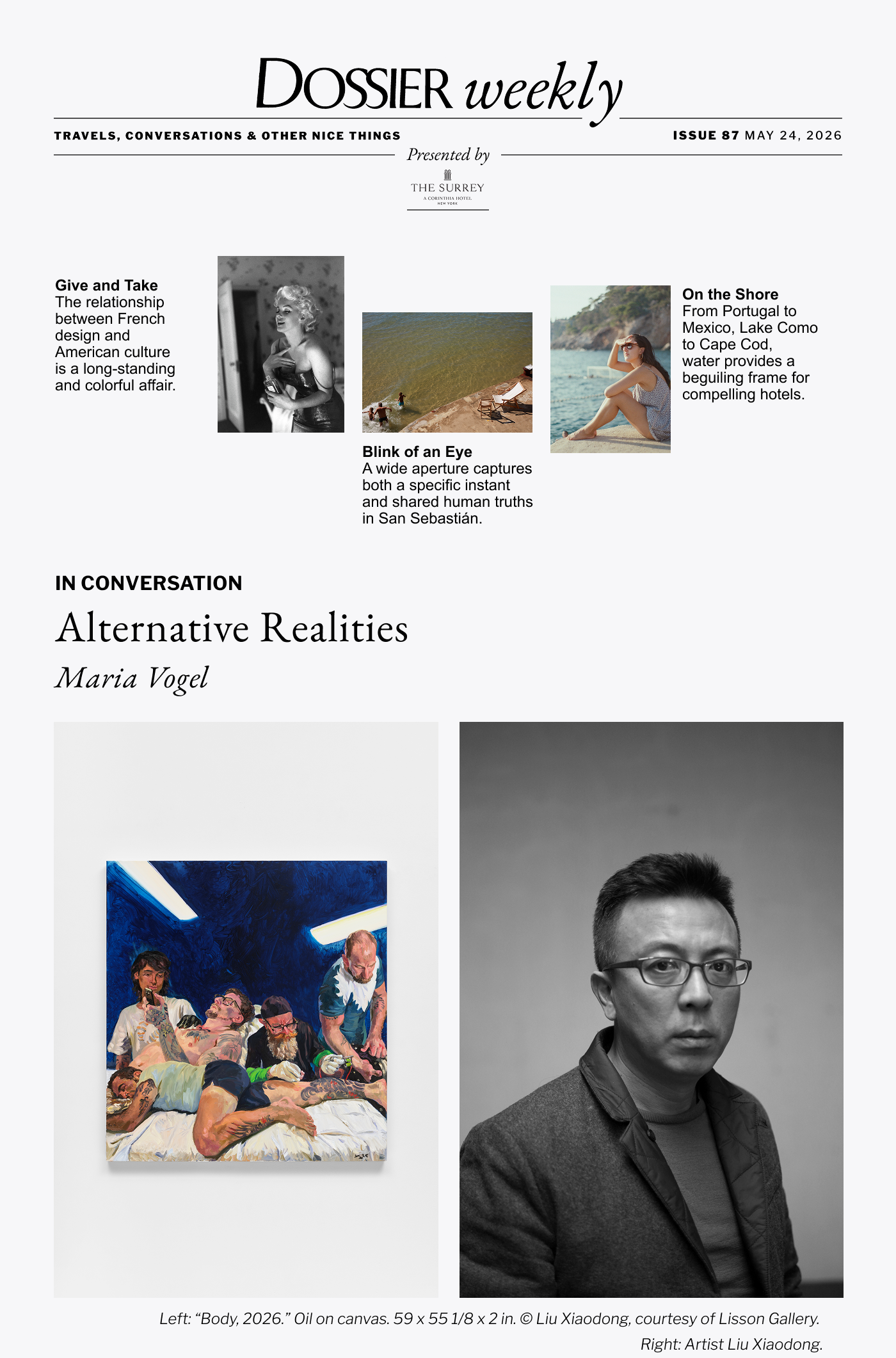
For Xiaodong’s latest series, currently on view at Lisson Gallery in Los Angeles, the artist planted himself in Detroit, with the purpose of uncovering the city’s subcultures and their historic significance. Like all of the artist’s work, the exhibition offers an opportunity for viewers to walk away with a newfound sense of connection to and understanding of people they might otherwise never encounter. Maria Vogel: If you had to choose one of your works that feels most urgent right now, which would it be? Liu Xiaodong: I'd choose the watercolor “At my Doorstep 2020.6.1.” This work depicts a wide range of people participating in a march in support of the Black Lives Matter movement. At the same time, a Black individual is shown driving a luxury sports car toward the crowd. Perhaps this piece suggests the tensions and contradictions — both internal and external — that characterize the world today. MV: What is one artwork, apart from your own, that holds particular meaning to you? LX: Marcel Duchamp once made a profile sketch of himself, in which the masseter muscle stands out from the flat surface; the brushwork is light and elegant. For such a painter — whose draftsmanship carries the refined spirit of Leonardo da Vinci’s drawings — to have abandoned and even criticized retinal art leaves me feeling quite helpless. Also, it constantly reminds me: Can retinal art generate new meaning? MV: How has the context in which your work is shown changed how that work is understood? LX: Figurative painting may seem easy to understand, but it is actually more difficult to truly comprehend, since people live in different countries and cultural contexts. Wherever I exhibit, I try to incorporate elements of local life into my work in the hope of fostering deeper communication and understanding among people from different backgrounds. MV: Can you point to an exhibition that has shifted how you think about your practice or the role of art today? LX: In the early 1990s, I saw a large exhibition at MoMA. One side featured contemporary Latin American — especially Mexican — art, while the other showed modernist works from Europe and the United States of the same period. The former depicted people struggling through hardship in ways that deeply resonated with me; the latter explored a wide range of formal possibilities, increasingly distancing itself from the content of everyday life. I felt that my own living environment was closer to the former, so I naturally place more emphasis on the content within my images. At the same time, I am not willing to abandon my respect for, and exploration of, formal expression in painting. MV: What kind of exhibition or context would you want your work to inhabit that it hasn’t yet? LX: I hope that one day this work of mine, “Body, 2026,” can be exhibited alongside the works of Lucio Fontana. When I fail to paint a piece well, I often feel the urge to take a knife and destroy it — but I don’t dare. This particular painting, too, involves the idea of using a knife on the body. Liu Xiaodong: Host is on view now at Lisson Gallery, Los Angeles, through June 13, 2026. |
|
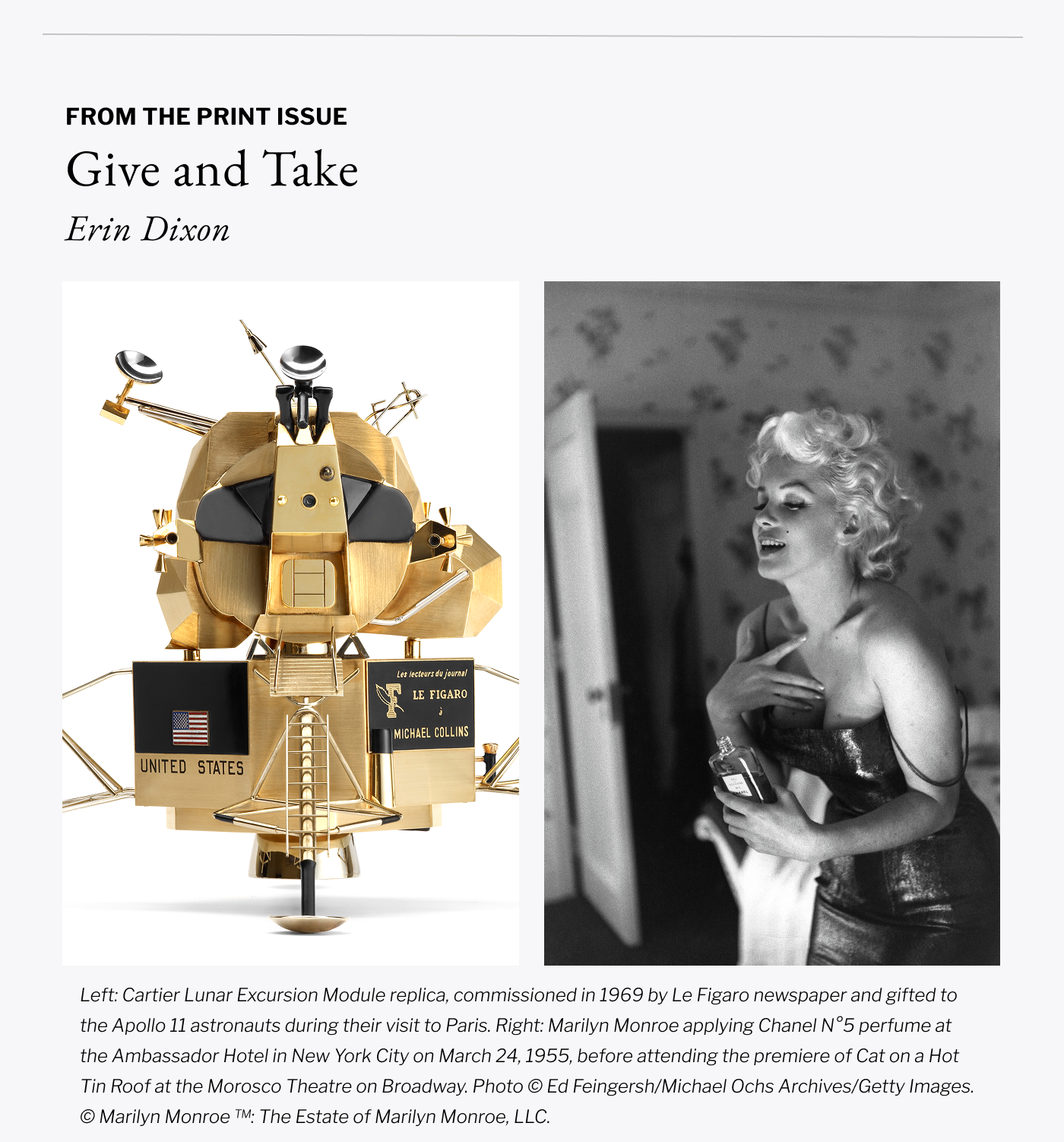
“French things are classy,” my 8-year-old son declared the other day, apropos of nothing. “Or as we like to say: classique,” he continued. His unintentional conflation of the words “classy” and “classic” highlighted a pervasive American assumption of French design: that it’s classically beautiful, which makes it classy. The precocious assertion also underscored how deeply French aesthetics are embedded within American culture. This dialogue stretches back to the 17th century, when French craftspeople arrived to the British American colonies to help shape their physical creation; France’s 1886 gifting of the Statue of Liberty to the newly formed nation punctuated the importance and expected continuation of the friendship …
Comité Colbert is the French collective behind the new exhibition: Hidden Treasures, 250 Years of Franco-American Luxury Stories, showcasing exceptional items from 65 French maisons and cultural institutions to “reveal French luxury as an evolving companion to American history, illuminating moments of aspiration, transformation, and connection, showing how the two nations have continually influenced and reimagined one another.” Opening in New York City, it’s a lively survey of undeniably classy items that have, since their debut, in fact, come to be defined as classics. Read the full feature and more close takes on a wide world in our Spring/Summer 2026 print issue. Order now. |
|
From the understated ripples of a lake to the restless rhythm of the open sea, water has a way of clearing the mind. Here is a small collection of places where the view does most of the talking … |
|
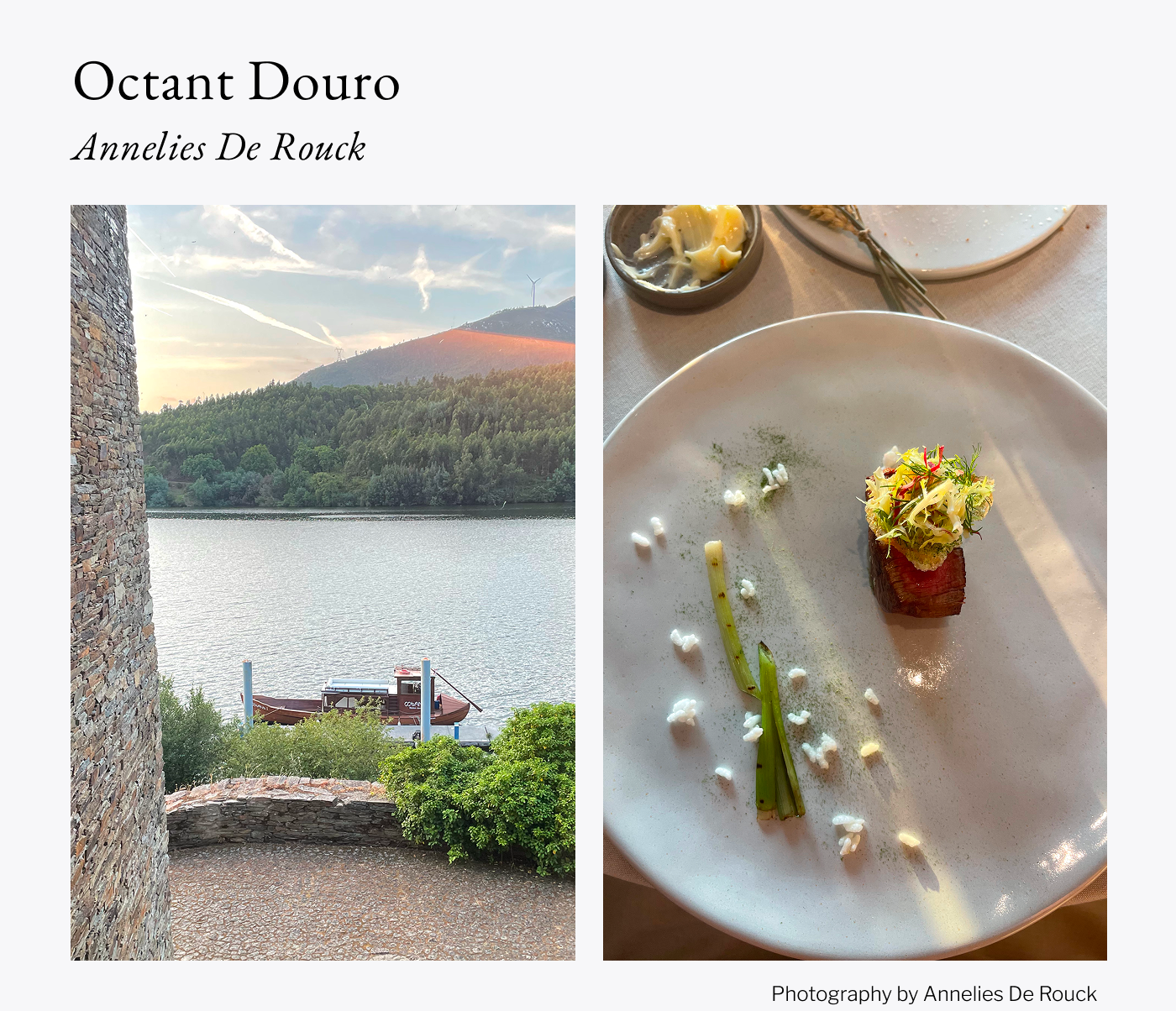
I live in Cascais (near Lisbon, Portugal) but frequently travel north for my husband’s mountain bike races. I was familiar with the landscape near the Douro River but had never stayed on its banks before, which I found to be a completely different experience. Octant Douro’s architecture is modern and striking yet blends into the surrounding cliffside, as it’s built from local stone. The hotel itself is inherently calming, augmented by soothing river views, which set a slower pace. Northern Portugal is known to have very kind, generous people, and the hotel’s employees received us with their signature warmth. A profound sense of place also followed us from Raiva Restaurant, where local cuisine is interpreted through a fine dining lens, to the hotel’s spa, where superb therapists combine with peaceful design, including a sauna with a river view. To further immerse yourself in the surroundings, take a ride on the hotel’s traditional wooden Rabelo boat, which transports you to the quieter Paiva River, where you can take a dip if you like. The river is known to have some of the cleanest water and highest biodiversity in all of Europe. |
|
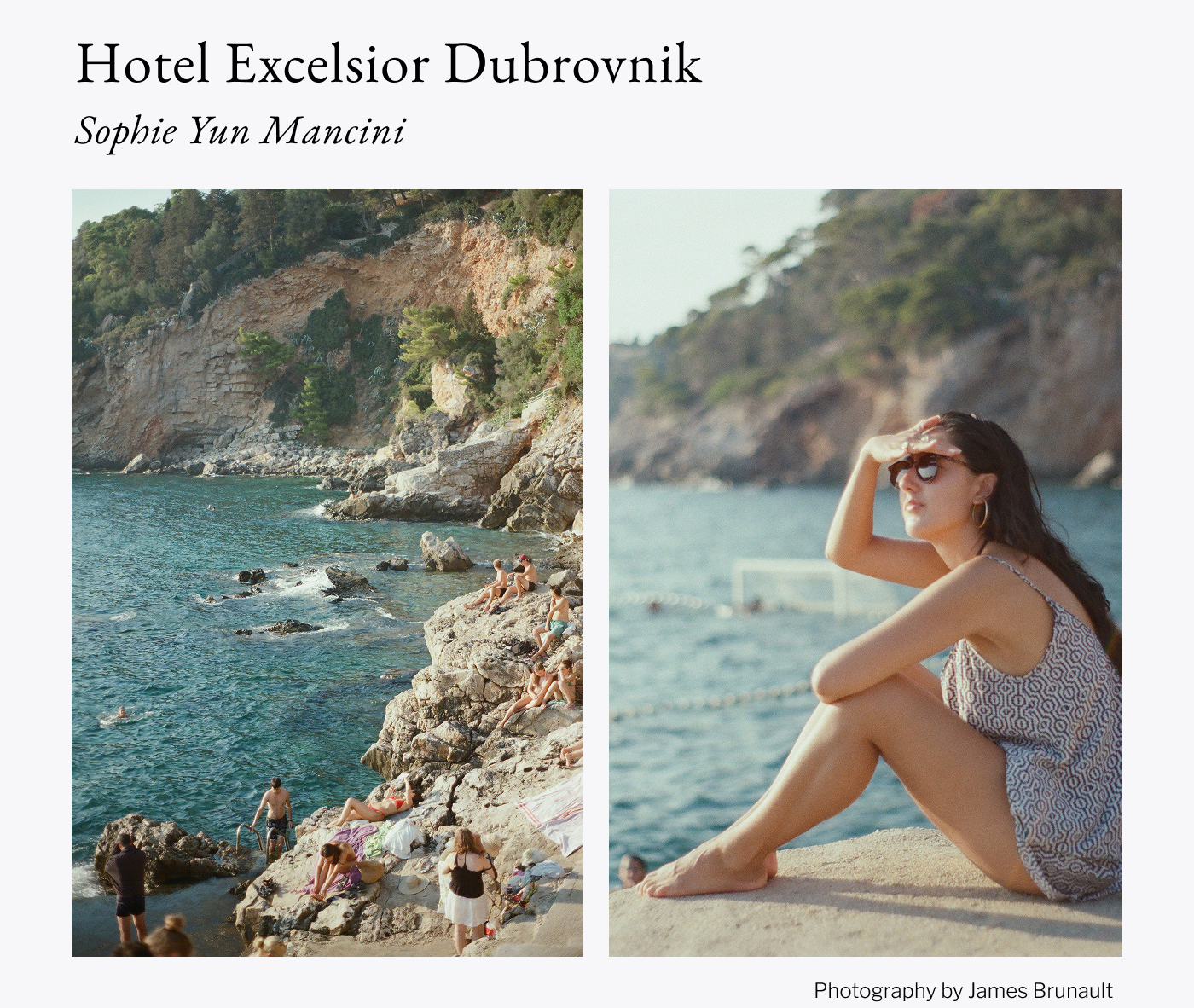
It feels like summer has finally arrived in New York City. The balmy air has me recalling summer trips of particular resonance. One was to Dubrovnik, Croatia. I was so moved by the beauty of the Adriatic Sea, that dark blue hue, like a sapphire in the light.
I stayed at Hotel Excelsior Dubrovnik, a historic hotel that feels like an extension of the beguiling water below it. Having welcomed glamorous guests from Queen Elizabeth II to Elizabeth Taylor, the property’s coastal position makes for breathtaking views up high and a thrilling jumping-off point down low. Its dramatic stone terrace — from which I flung my body countless times — leads directly into the sea. One of the hotel’s restaurants is located on this terrace, placing snow-white tablecloths and umbrellas against that shimmering blue. A balcony a few floors up offers an exquisite martini, made to sip while watching the sky turn peach. For history buffs, the location is also a dream: It’s just a few minutes walk to Dubrovnik’s Old Town, a bleached limestone maze dating back to the 7th century.
Further out in a cove beyond the more popular tourist area, locals swan dived into the water, played rowdy water polo, and smoked cigarettes to Croatian music. Klapa is the genre that I fell deeply for. A traditional men’s choral or a cappella music, it lands somewhere between a Gregorian chant and American doo-wop. Still further out, accessible via a scenic boatride, is the island of Lokrum, home to preserved botanical gardens, a Benedictine monastery, and yet more exquisite swimming spots. My favorite? The nude beach (type "FKK" into Google Maps after docking; it’s not far), which is more like a rocky cove, where folks laze across the crags in their birthday suits, as nature intended. |
|
Lake Como, Italy, has always held a certain mystique for me. I have family in nearby Milan, so my first visit to the lake was nearly 17 years ago, with my cousins, during Easter break. Returning to the lake as a tourist felt wholly new but nonetheless captivating.
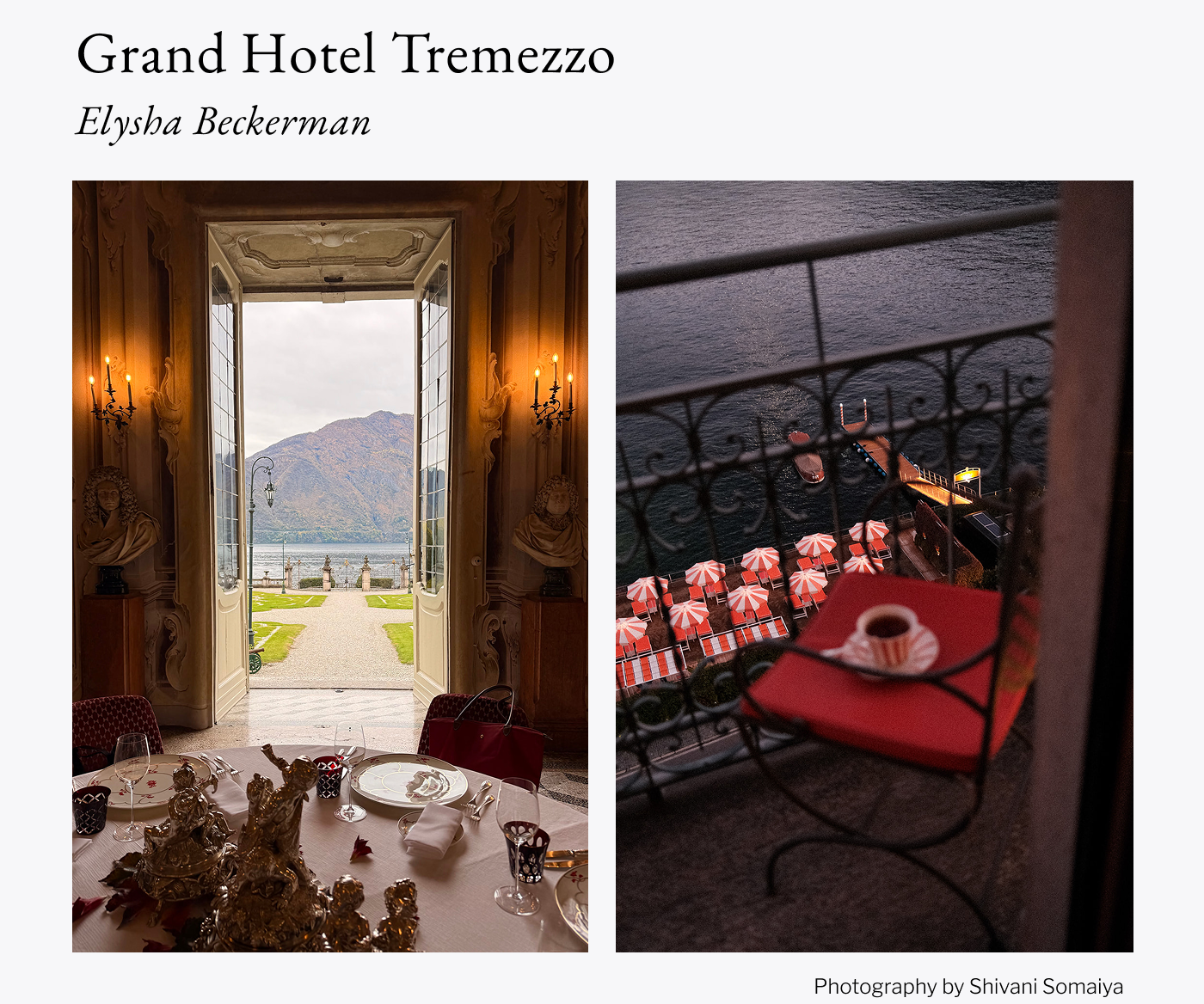
Driving around the bends of the lake, if you look out the car window, your head naturally tilts back to take in the impressive stature of Grand Hotel Tremezzo, which is perched high above the water. To your right, lie Da Giacomo al Lago, the hotel’s renowned restaurant, lined with the property’s signature orange-and-white striped umbrellas; a couple of boat slips housing gleaming, wooden Riva speedboats; and a floating pool, just one of the three pools on the property.
From fritto misto, pesce crudo, and spaghetti alle vongole at Da Giacomo al Lago and intimate wine tastings in the cellar (that travel from the peaks of Sudtirol on the Austrian border to Mount Etna in Sicily) to the Grand Detox Ritual at T Spa and grilled Fiorentina steak at L’Escale Trattoria & Wine Bar, each experience connected me more deeply to the spirit of the property and its signature sunny charm. Brisk boat rides did the same, but in a physical sense.
I explored neighboring villas, including the 18th-century Villa del Balbianello in Lenno; savored an indulgent lunch at the hotel’s nearby sister property, Passalacqua; and lingered over a private dinner at Villa Sola Cabiati. Together, these moments allowed a new vision of the destination to unfold with an effortless sense of rhythm, mirrored by gentle waves lapping the lakeshore. |
|
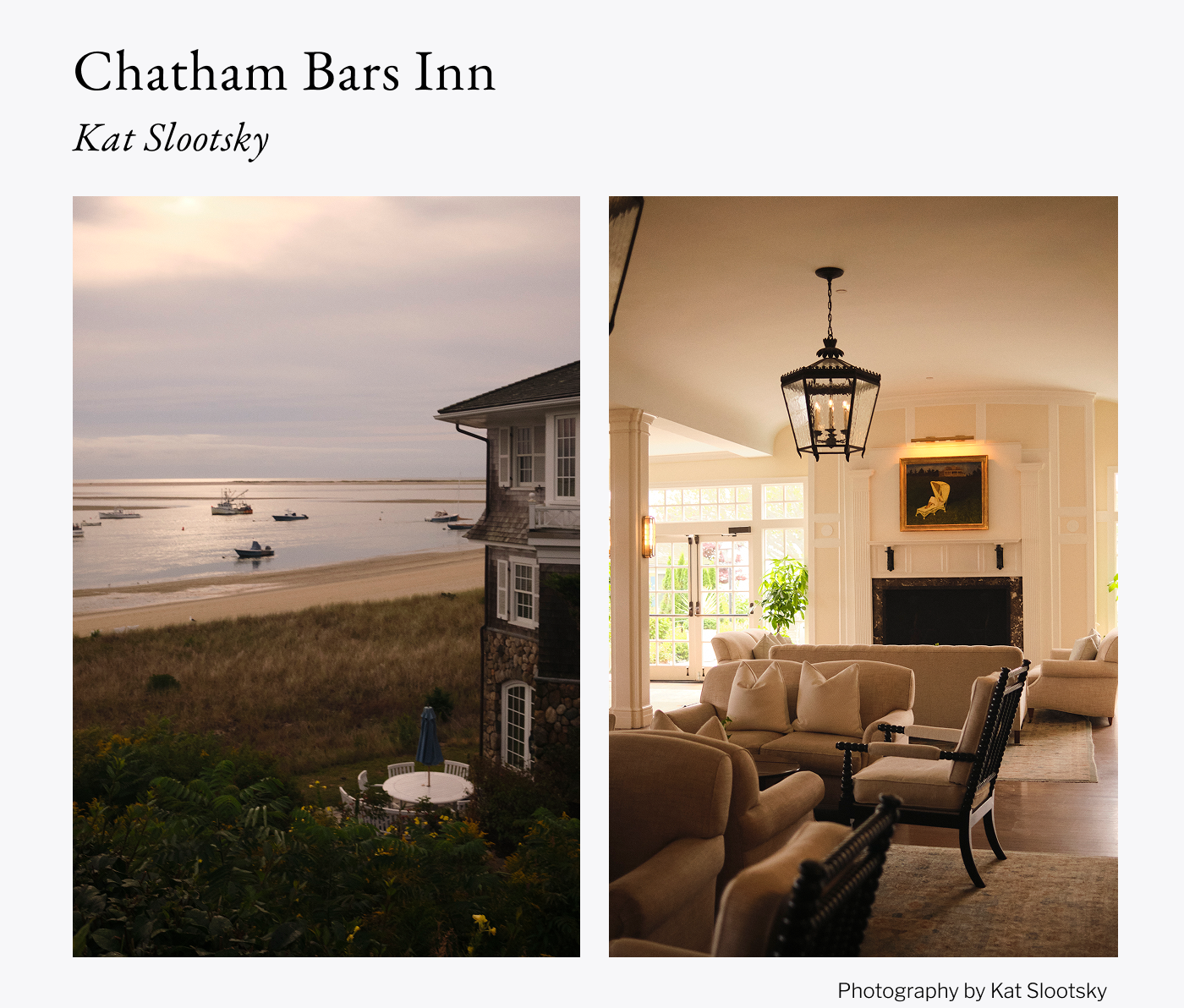
Chatham in Cape Cod, Massachusetts, is what I imagine English literature (e.g., Jane Austen) described as an ideal 18th- or 19th-century "sea cure" destination, a medically prescribed, open-air remedy for a certain type of ailment. Water has always been a cure-all for me. Submerging for a swim or simply looking out over any coastal vista has such an immense impact, I wish modern medicine still prescribed it as a holistic medication. In lieu of an institutional panacea or, better, in contrast to one, there’s Chatham Bars Inn.
My husband, daughter, and I spent two immensely relaxing nights at the oceanfront property. Upon arrival, we dined at its signature restaurant, The Sacred Cod, which served the best clam chowder of our trip — a high bar in this area. The next day, we took a dip in the heated pool and strolled into Chatham to tour its charming main street, followed by dinner back at the hotel, where The Beach House Grill serves up lobster rolls and stunning views of the sunset, which I had to run down to the beach to photograph. The morning of our departure, my husband enjoyed a 9-hole golf round up the road at Chatham Seaside Links before we had to begin our journey back to New York City, which thankfully involved a final drive through the town’s winding, picturesque roads. |
|
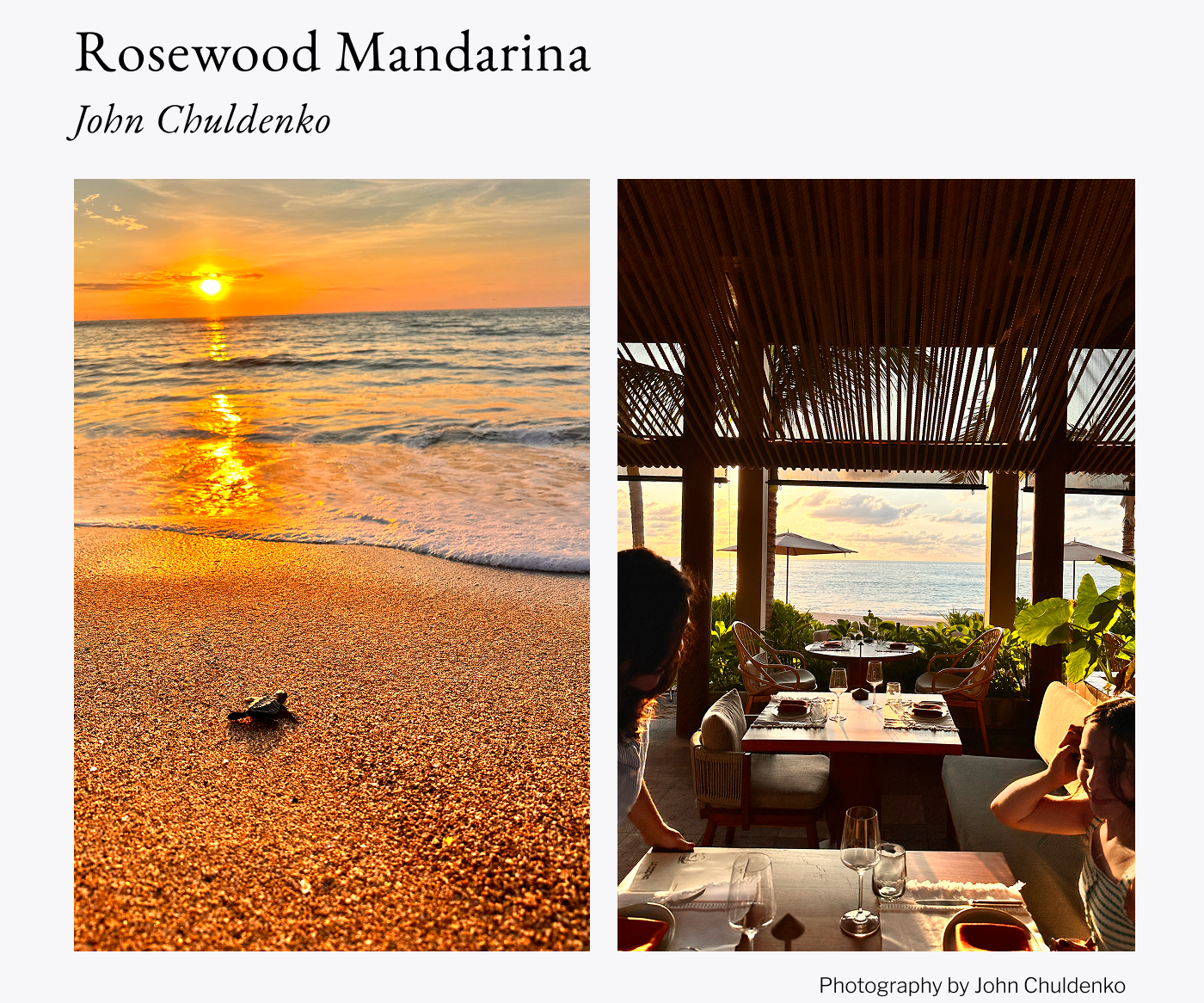
With its worldly pedigree, I expected Rosewood Mandarina to offer a luxurious family escape. What I found was far more meaningful: a property imbued with enthusiasm, care, narrative. Here, every choice is intentional, and the link to the Indigenous cultures of Nayarit is not merely a reference but also a reverence.
The hotel’s lobby doesn’t have any walls. Open to nature, this interstitial space is adorned with striking, symmetrical ropes that soar upward and loop around overhead beams, channeling the yarnwork of the Cora people. This permeability, as we'd discover, serves as a conduit to the lore, craft, and spirit of the region. "The ropes, they're like a tie to the local culture — you should totally use that in your story!," My teenage daughter said, clearly angling for my job.
The property sits at a confluence of sea, mountains, and jungle. Our adjoining suites in the flatlands section felt as if they'd grown from the land and adhered to a 1,000-year-old design brief: Warm woods paired with volcanic stone; chunky natural materials and colors flooded the space, with many pieces created by local craftspeople.
Just a short bike ride from our suites, the aptly named La Cocina Mandarina serves as the property’s culinary hub, where we watched the sun dipping into the Pacific Ocean, backlighting the mariachi band playing on the sand. Then the day's local catch arrived marinated in the traditional Nahuatl style and grilled with depth, delicacy, and sophistication. |
|
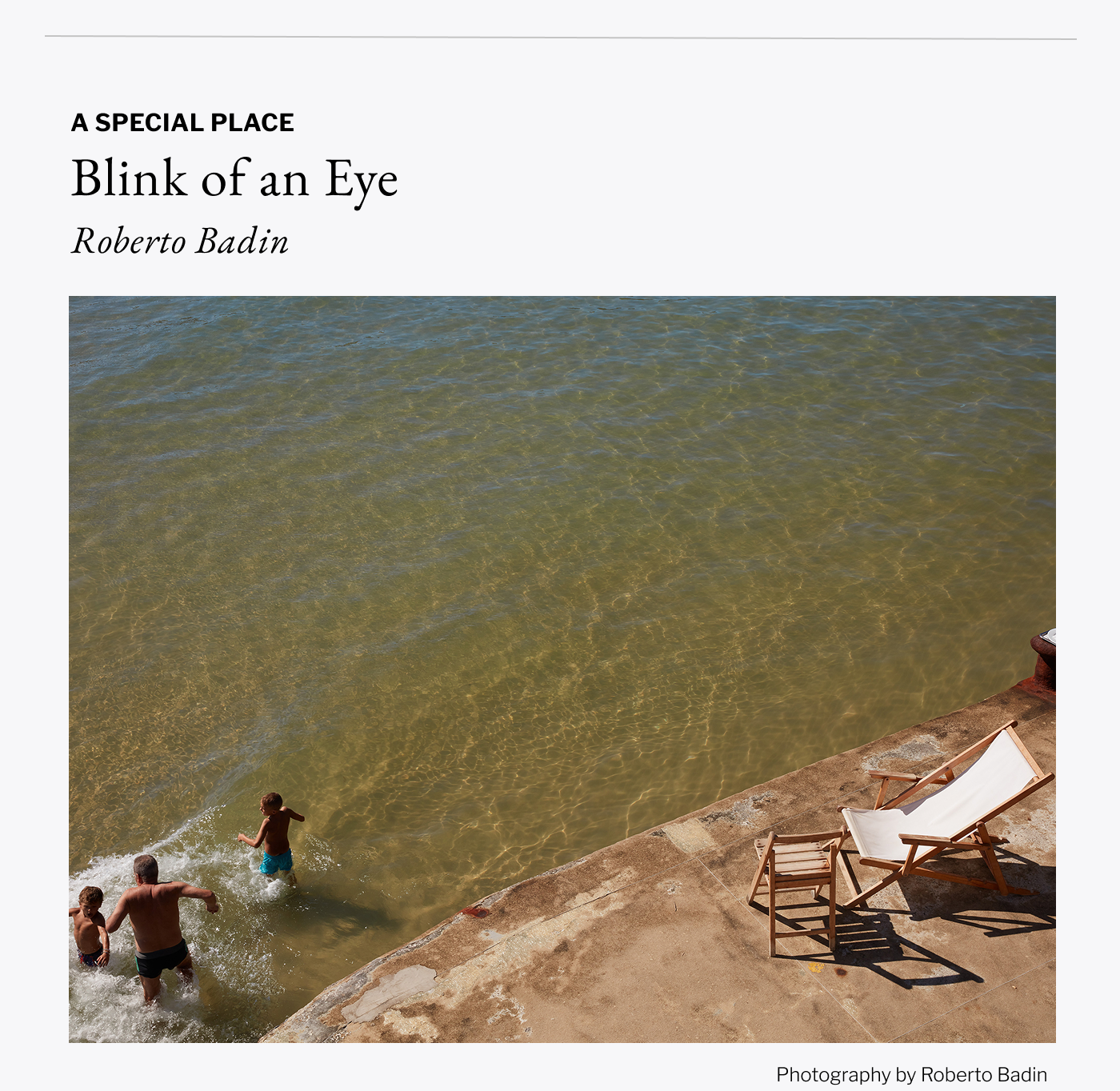
I live in Biarritz, France, a few kilometers from San Sebastián in Spain, where this picture was taken. It was a very hot summer day. I rarely visit the city during the peak season, but I was doing reportage shoot about its restaurants and the Spanish lifestyle — gastronomy holds a prominent place in the local culture. The Cantabrian Sea is rich with all kinds of fish, while the surrounding pastures produce tomatoes, peppers, and the region’s famous Jamón ibérico, as well as a wide variety of cheeses. As I walked along the beach, I was drawn to the carefree atmosphere captured in this image — perhaps a father and his two children playing and sharing a simple, deeply moving moment. It reminded me of my youth in Rio de Janeiro, Brazil, where I was born. The photograph was taken in a fraction of a second, maybe that's the magic of " The Decisive Moment," as Henri Cartier-Bresson wrote. |
|
Everything Under the Sun. When Little Wide Open, the latest album from Kevin Morby, dropped last week, I was flying over Texas. But it felt like I was riding shotgun with Morby, winding and rolling through his native Kansas, listening to a reflective narrative that walks a railroad track between affection and unfiltered honesty, told by someone with a deep connection to the heartland. The album’s title track captures the region’s vastness with pedal steel as vivid as a photograph. And Amelia Meath’s backing vocals on the single “Javelin” hit with a delight akin to encountering an old friend at a remote rest stop. –John Chuldenko It’s a Wash. When the hard water on a recent journey left my hair waxy and dry, I was reminded why one of my favorite sensations is the first shower at home after a trip, when I am able to return to my home products. Ouai's Detox Shampoo tackled the build-up, a Fino hair mask restored moisture, and my Jolie shower head took care of the rest. –Alessandra Berge Something of a Ritual. Not long ago, an Indigenous medicine woman told me that the lack of rituals in our modern world is the reason we have so many “50-year-old boys” walking around. Her assertion made the small group I was with chuckle, but its perspective has stayed with me since, leading me to reflect on the rituals that frame my own life’s rhythms. One of the more esoteric is the brewing of “moon water,” a monthly act on the night of the full moon, when I fill a glass jar with water, gemstones, and personal goals, then place it under the nocturnal rays. The water is said to absorb the lunar energy and the stones’ respective powers. When splashed on your body throughout the ensuing month, it’s purported is believed to cleanse negative energy and manifest said intentions. In all cases, it’s always a nice way to begin again. –Erin Dixon |
|
54 Franklin St #2R NY, NY 10013. ©2026 Dossier Projects, LLC.
|
|
|
|
|