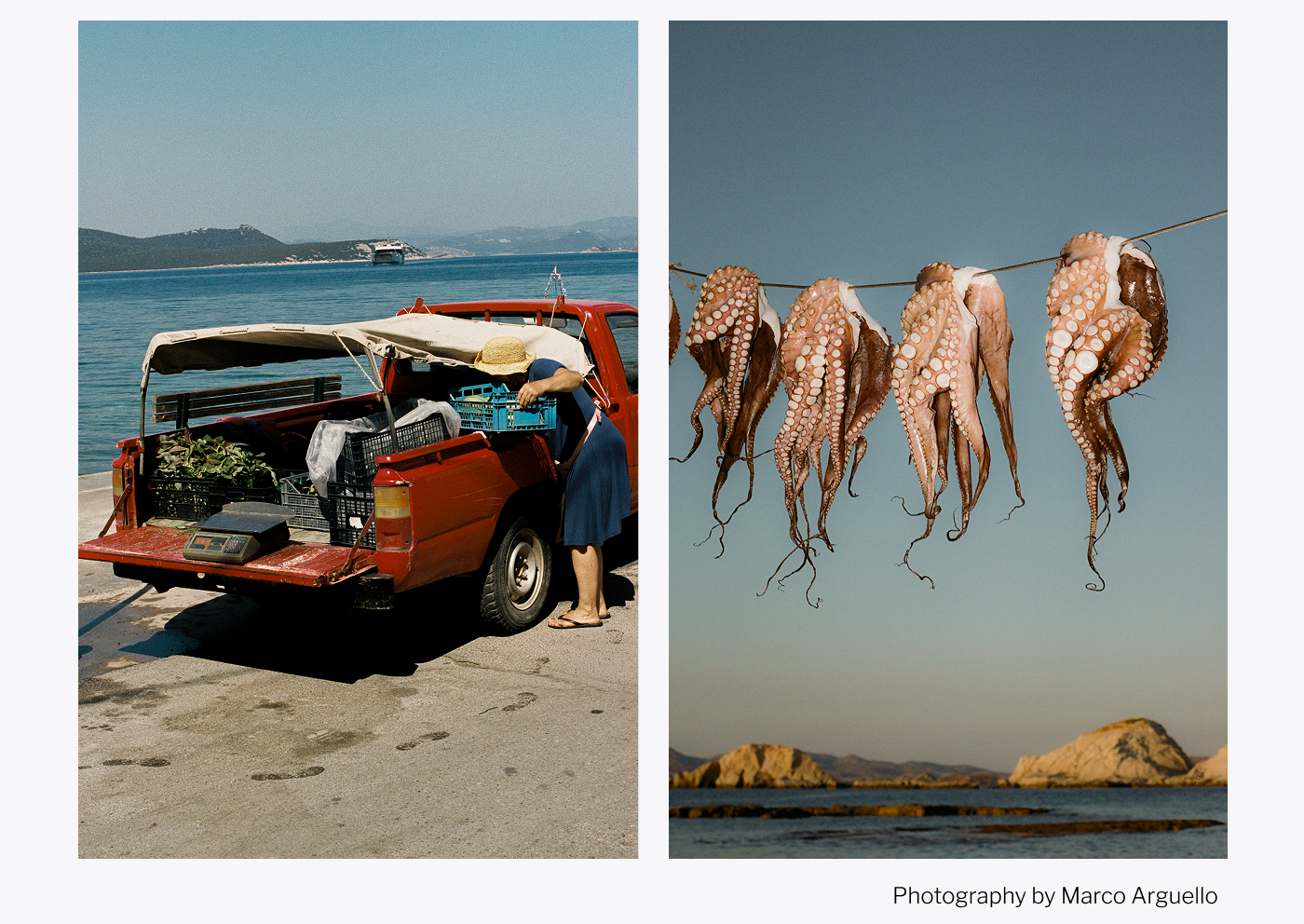
As Truman Capote wrote, reflecting upon the Italian island of Ischia, “Islands are like ships at permanent anchor. To set foot on one is like starting up a gangplank: One is seized by the same feeling of charmed suspension. It seems nothing unkind or vulgar can happen to you.” From Stromboli’s eruptive emotions to Iceland’s contemplative moods, here are a few islands on our radar. |
|
Stromboli
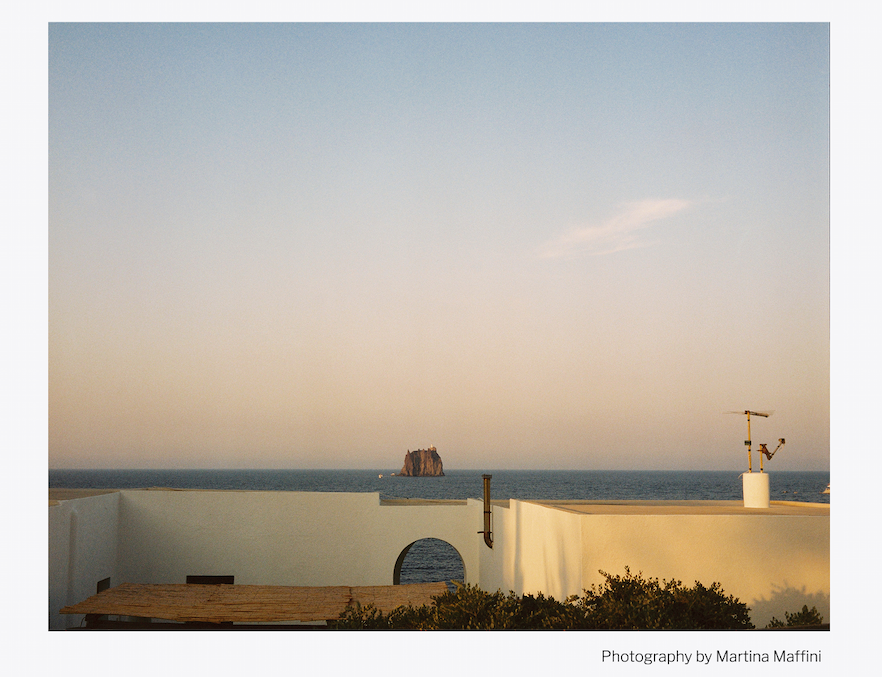
The Aeolian Islands are the cradle of all that is magical and mystical about the Mediterranean Sea. What we see of Stromboli is 3,000 feet above sea level, but there is more than a mile of mountain below the surface of the sea. The visible parts of the archipelago formed in the last million years, while the submerged parts are a little bit older. Vulcano, Lipari, and Salina are known as the big sisters, with their ancient, lush vegetation; archeological ruins; and lava and sulfur boiling in the soil. Filicudi and Alicudi are the wild sisters, with their empty villages and forgotten memories of migrations, brimming with goats and ghosts. Panarea and Stromboli are close, but with very different personalities. Yet the feeling on the islands is virtually the same: a sense of belonging and longing. The Earth’s early formation with its infinite skies puts all visitors under the same roof. Nothing will snap you out of your ego better than a stargazing night on a masonry seat. –Chiara Barzini |
|
St. Barths
It’s a flex to speak knowingly about the white-knuckle aerial descent into St. Barths. Anyone who is lucky enough to have traveled there knows that the only public options for transport to the Caribbean island are a turbulent ferry or an unairconditioned, single-engine plane, but regulars relish the limited access as a marker of remote exclusivity.
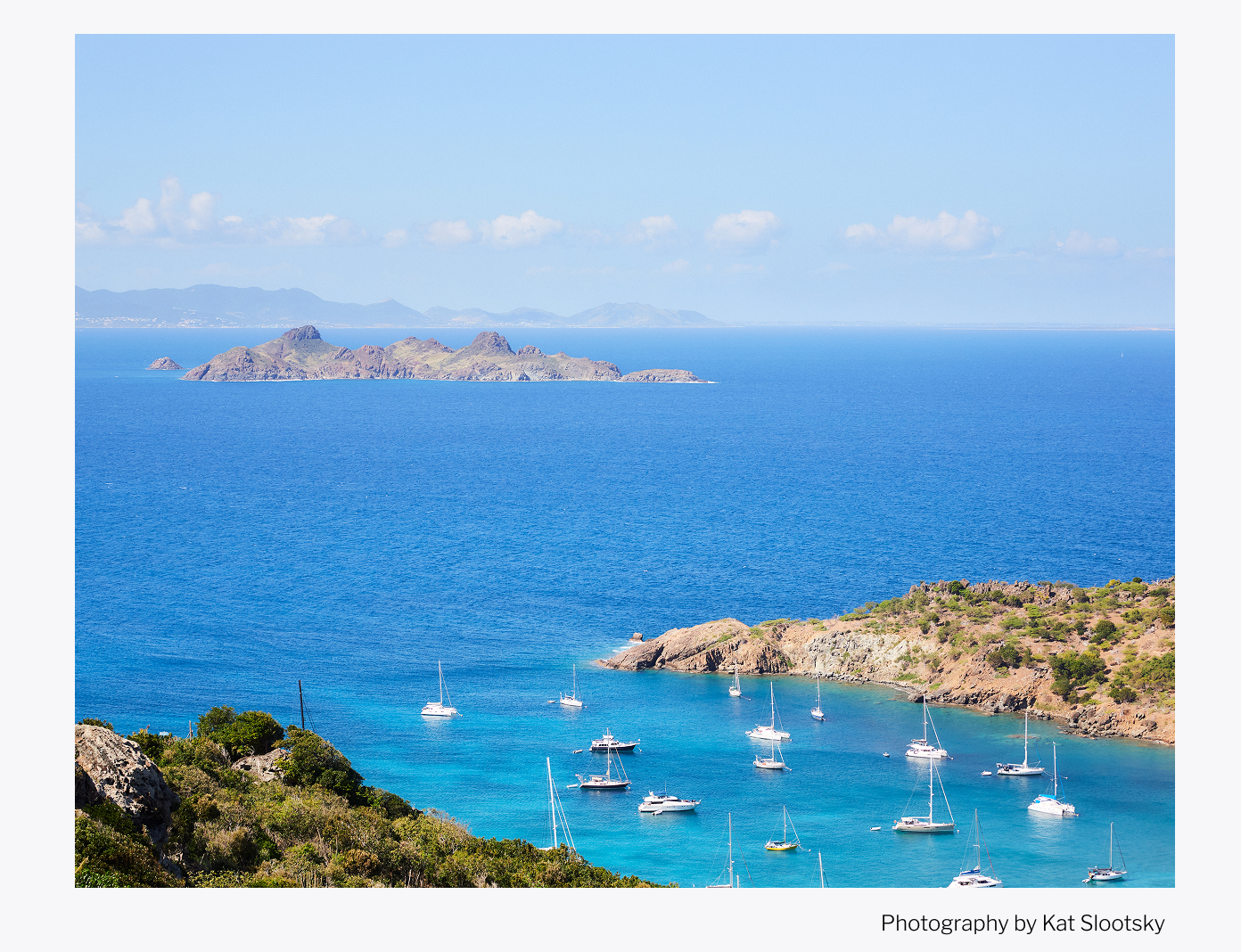
The distinct charm of St. Barths is best understood from the perspective of that puddle jumper. About 40% of the territory is designated a "green zone" by the local government, leaving verdant mountains and pristine white sand beaches protected from overdevelopment. There are no hulking hotels or towering condos to mar the coastline, only tasteful variations on the high-end boutique hotel — from the iconic Eden Rock – St. Barths to the playful, print-heavy decor of Gyp Sea – St. Barth to the sleek, teak lines and neutral tones of Le Sereno Hotel. For those seeking even more space and privacy, many of the notable hotels offer villa rentals that include full access to their amenities. Should you find yourself without a tipple in the middle of the night, access to the wine cellar is only a phone call (and buggy ride) away. –Julia Sherman |
|
Iceland
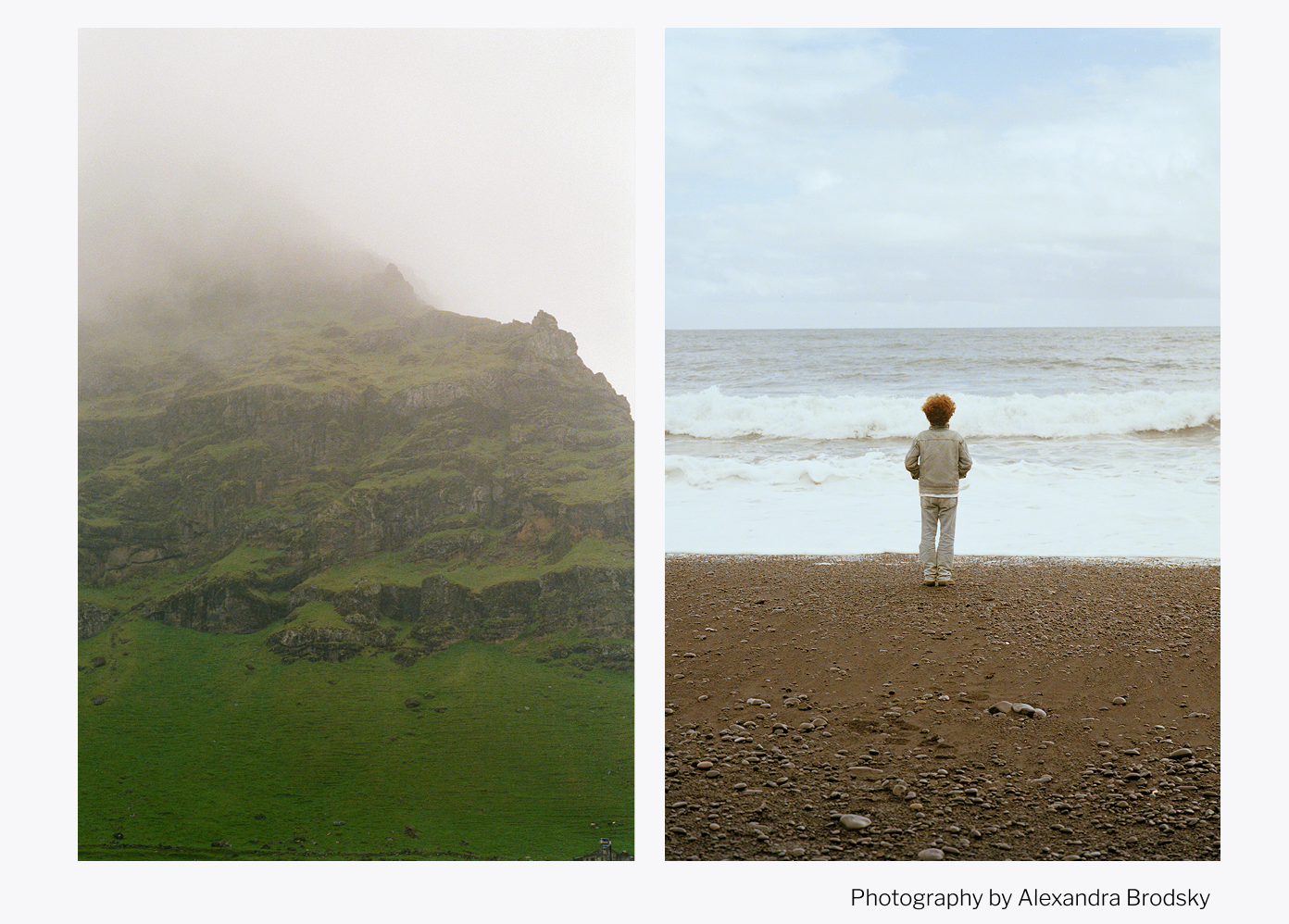
With a population of less than 400,000 spread across an expanse roughly the size of Colorado, Iceland is rightfully known for its hauntingly dramatic landscapes. It’s a study in atmospheric contradictions — somehow severe and lush, alien yet familiar, mysterious, and elemental all at once. When I visited the Blue Lagoon, balletic tendrils of steam fought against snowflakes and the water smelled of sulfur and minerality. I rode an open-sided buggy across black sand beaches littered with the skeletal remains of whales. Another day, I clambered around the deep, icy crevices of a glacier, jumping across rivulets that eventually carve folds into ancient bedrock. Later, looking from the glacier across a small lake, I saw the most extraordinary rainbow extending down onto the icy surface, its pot of gold touching the spot where I had been walking just an hour earlier. It was strangely poignant seeing rugged rocks, placid lakes, viridescent fauna, sooty dirt, and blazingly blue ice all overlapping and mixing together. –Max Berlinger |
|
Jamaica
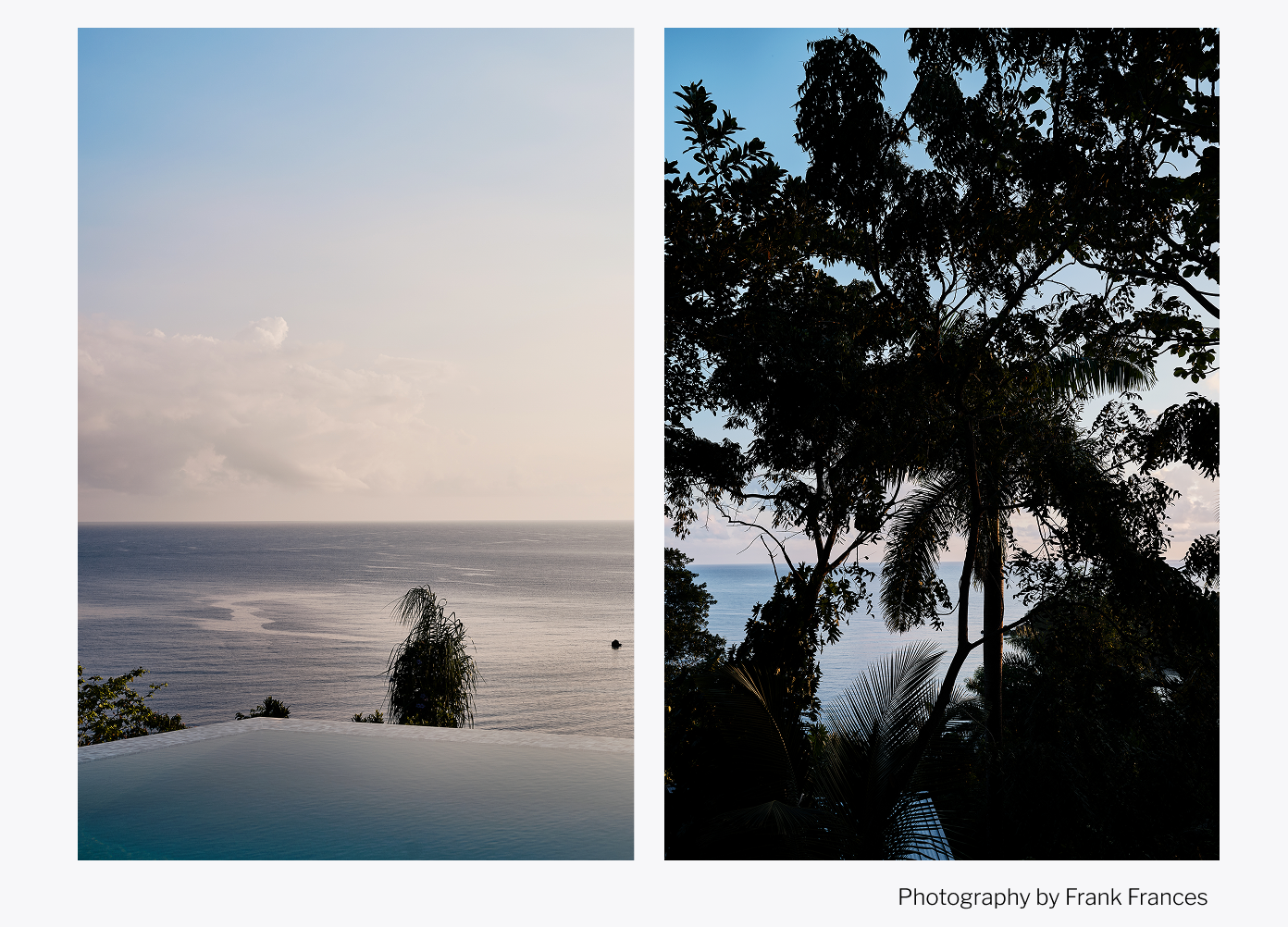
My portrait of Jamaica is a landscape of home that isn’t often shown in travel brochures. When my feet touch the land, I stand for a moment listening to the sounds I’ve inherited: The rainfall chorus sings of good memories; the ackee tree whispers “I’m almost ripe,” hours from the beaches where tourists lay on loungers or walk on soft sand, its cool grain sinking with each step.
My bare feet stumble over tiny rocks and high slopes to reach my mother’s gate. There, you will have trouble finding bodies of water. Instead, a mighty brushstroke of luscious, rural vegetation plays in the shadows of damp hills. There are modest shacks and bars, painted with colors that match the environment: shades of black, yellow, and green. The trees tourists admire from their windows have names, like kapok — also known as the silk-cotton tree, which carries a cultural and sacred significance that reminds us of hope. There are parts to Jamaica many don’t get to see: the clotheslines stretched from each home; the mixing of music, from folk to gospel; the culinary enchantment; and the hard work of the natives who preserve the island's culture. Jamaica isn't an escape from home, but a return to one. –Christy DeGallerie |
|
PatmosThe best part of being on a cruise — mine happened to be the Seabourn Encore — is waking up in a different port every day. Opening the curtains to a fresh island vista is pretty magical, especially when the destination in question is Patmos, Greece.
When Diana Vreeland famously said “The eye has to travel,” I think Patmos is the type of destination she was referencing, with its delicate, consistent palette of natural textures and hues. There is a softness and ease to it, as well as sophistication and taste. And, although it can certainly get touristy during high season, the island still feels very much like a place where real Greeks live. –Annelies De Rouck
Read this full portfolio and more close takes on a wide world in our Spring/Summer 2025 print issue. Order now.
|
|
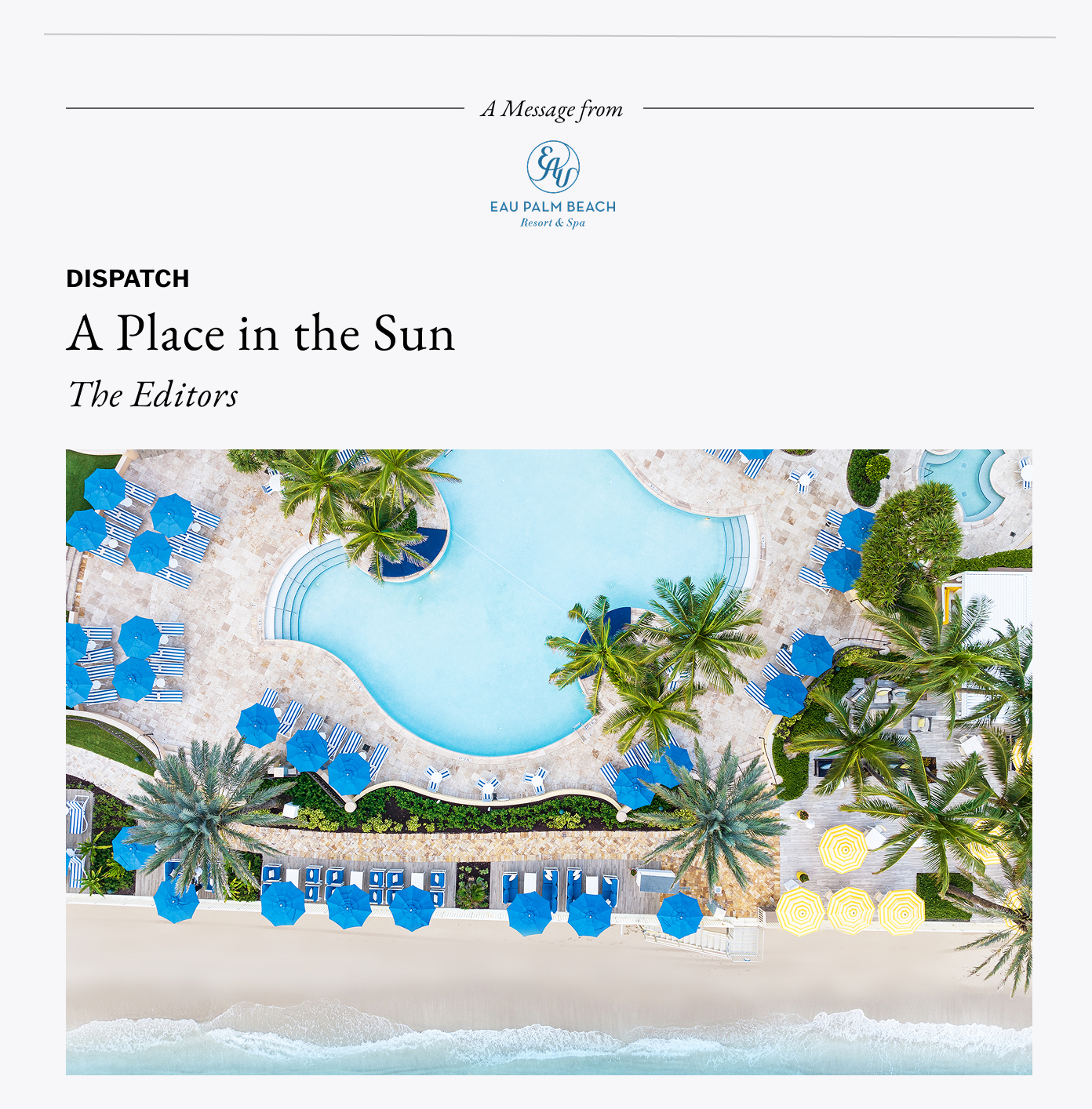
Palm Beach’s golden sands are worth traveling for, as more than a century of sun-seeking visitors can attest. But stepping out of your door onto a private beach bordered by glittering waters and seven acres of lush, palm-framed tropical gardens is worth staying for, defining Eau Palm Beach Resort & Spa as the ultimate retreat. Boasting the city’s closest suites to the ocean and countless bespoke experiences, the resort delivers the perfect setting for sun, sea, and relaxation. Signature treatments and tranquil amenities distinguish the award-winning Eau Spa, while black cod miso and rock shrimp tempura set the culinary stage at Nobu Manalapan. Fun and games underpin a state-of-the-art kids’ and teens’ club at the same time an adults-only pool offers alfresco serenity. Experiential Packages make planning a bespoke escape a breeze — be it a Family Retreat or Epicurean Encounter, Eau Spa Experience for Two or Eau Escape highlighted by redefined, seamless luxury.
|
|
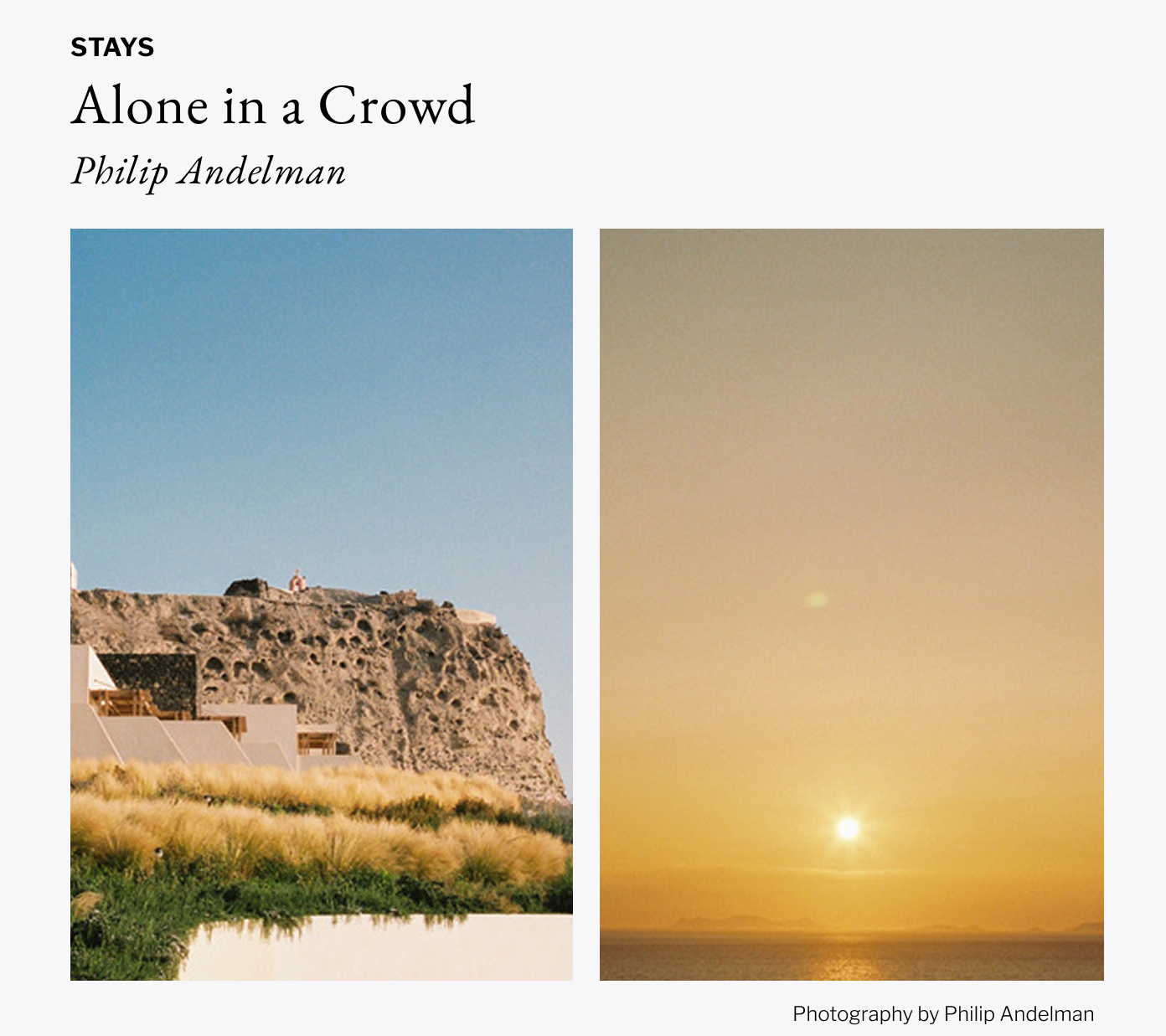
As the car whisked us past ancient villages perched atop volcanic rock on our left, with the dazzling blue waters of the Aegean Sea racing by on the right, our driver asked what we hoped to discover while visiting one of the most popular Cyclades. We responded greedily, “the good stuff, the secret spots,” to which he laughed. “This is Santorini — there are no secrets left.” Clearly, our driver had never visited Santo Mine. The new sister property to the beloved Santo Pure, this resort may be the island’s one hidden idyll, replete with 37 suites (each with its own plunge pool, many with uninterrupted sea views), all located less than five minutes on foot from Santorini’s most picturesque (and heavily trafficked) village: Oia. But you would never know the town existed as you flit from Santo Mine’s outdoor yoga classes to its poolside which happens to be the property’s greatest allure. Indeed, the highlight of my trip was waking at dawn’s first light; hiking up a short, winding path to an abandoned fort; and watching the sun rise over the whitewashed village. I, then, wandered alone through its maze-like marble walkways, which had teemed with tourists when I’d first visited the day before in the sweltering heat.
There are plenty of boutique hotels in Oia, but staying in any of them turns you into a zoo-like attraction: Buses of tourists descend on your deck, straddling rooftops to sneak a picture of a defunct windmill. I was more than happy to experience the architectural beauty of this island on my own terms, shuffling back to my oasis as the sun rose and being treated to a “floating breakfast” upon my return.
In my room, a tray was set atop my pool to reward me for waking up so early. Its egg white omelette was studded with herbs from Santo Mine’s garden; an antioxidant smoothie provided me with the right vitamins to fight off a hangover precipitated by the previous evening’s lovely Greek wine tasting in the property’s cellar; and a shaken, iced Greek coffee gave me the strength to power through the rest of the day.
To be clear: When I say “power through the rest of the day,” I mean mostly lying on the chaise lounge perfectly cantilevered over the pool, which allowed me to occasionally dip a foot into the cool water as a refreshing reward for enduring the Greek sun while reading a paperback and completing a crossword.
The rest of my time on the island was spent contemplating how intimate the resort’s parent company, Santo Collection, has managed to make every aspect of its Santorini properties. At nearby Santo Pure, just a brief golf cart ride through a white tunnel, rooms and villas are clustered, each with its own communal pool, with larger pools serving the entire property. This can either allow for more personal encounters between guests or enable you to book several rooms with friends, creating your own private resort of sorts. Ultimately, the various aquatic options ensure that no single space ever feels crowded. (This may also be because children under 12 are prohibited).
In fact, the level of serenity was such that it trickled down to the one errant bee buzzing about me as I lay by the crystal water. The insect, too, seemed to be on vacation — its innate, neurotic frenzy gone, its stinging guardedness missing. In their place there was a lackadaisical lollygagging utterly aligned with the Santo spirit. |
|
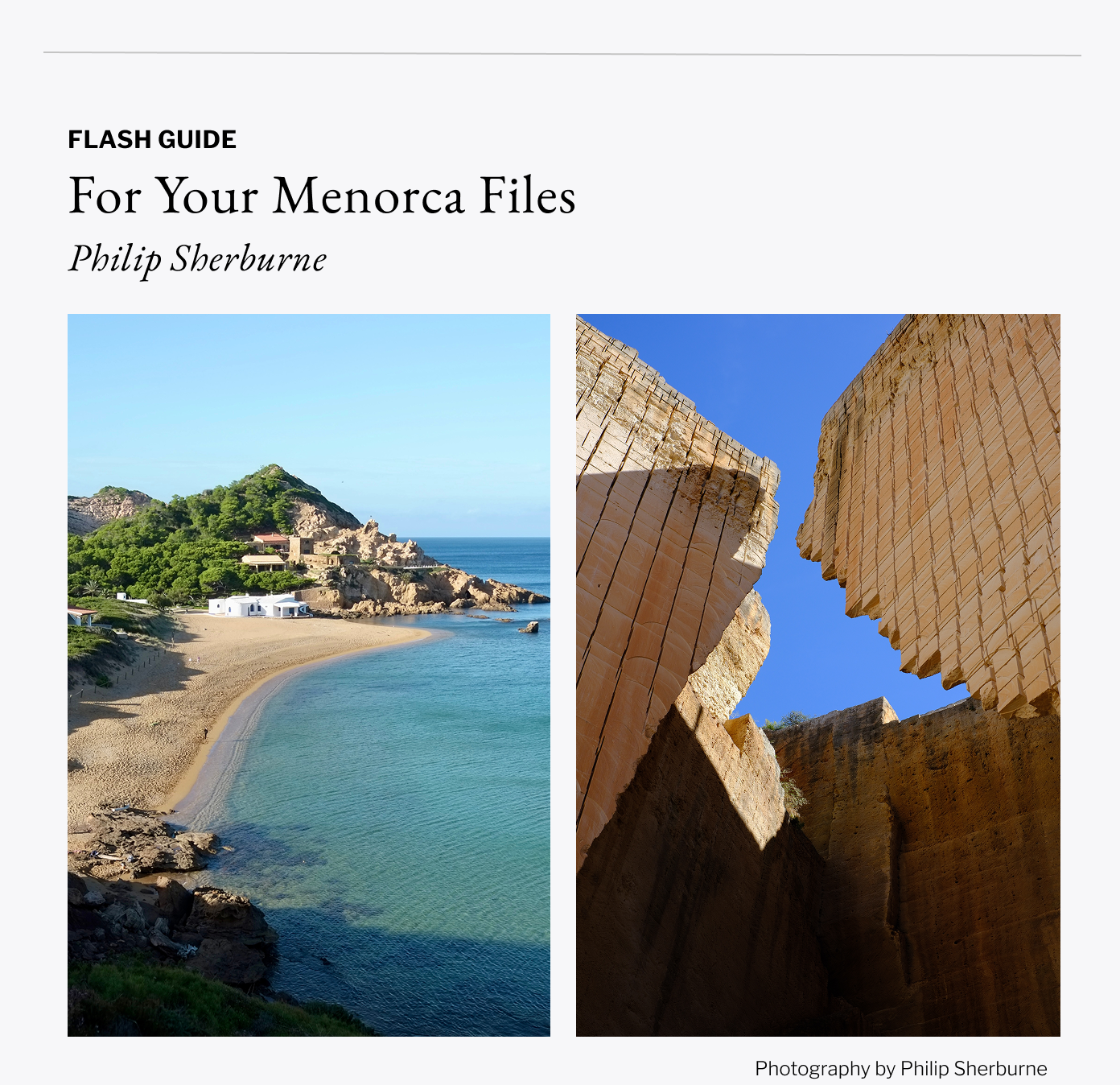
“I lucked into a life on Menorca,” says Philip Sherburne, a music and culture critic with international journalism chops and his own music-focused newsletter, Futurism Restated. He and his wife, who was born on the Spanish island, moved to Menorca from Barcelona in 2018 with their three-year-old daughter, in search of fresher air and fewer cars. Mission accomplished: Today, the family lives in a town founded in 1304, which boasts a closeknit community of 10,000. Still, Sherburne discovered that year-round island life isn’t for everyone. Menorca effectively shuts down between October and April, facing tramuntana winds that can rattle even the staunchest constitutions. But he’s found peace and pleasure in having the island pretty much to himself and his family for nearly six months a year. “There’s nothing like a February swim on an empty beach to make you feel like you’ve won at life, at least temporarily,” he confesses.
Here, he shares a few of his favorite island spots.
Something to eat and drink … To eat like a local, get an arròs (or what foreigners would call paella) from Es Racò de Macaret in the beachside community of Na Macaret, or Es Molí de Foc in picturesque Sant Climent. Try the tortilla (filled with butifarrón, shrimp, sobrasada … you name it) from Calucha, set in the port of Mahón. That city’s central covered market, the Mercat des Claustre, is home to El Mezquite, a fantastic Mexican taquería, and Bar Marcelino, a small-plates vermutería where you instantly feel at home. (Marcelino’s owners also run the portside Can Vermut.) In Ciutadella, eat fresh market fare and seafood from Bar Ulisses, and pick up a bottle of wine from either of its wine shops while you’re at it. The recently re-opened Villa Madrid, outside Sant Lluís, specializes in Catalan-style grilled meats and embutidos (sausages). No visit would be complete without an ensaïmada (puff pastry) from Es Mercadal’s Cas Sucrer or Can Pons. Both Mahón cheese and creamy pork sobrasada, available from any local grocery worth its salt, are essential. And speaking of salt, the traditional salt flats of Sal de Menorca make a wonderful product (and offer a fascinating tour, too).
Something to see … You can’t throw a rock here without hitting, well, a rock — the whole island is a patchwork of stone walls and megalithic constructions, the oldest of which date back some 5,000 years. (In 2023, the island’s Talayotic heritage was named a UNESCO World Heritage site.) Surprisingly, even the biggest and best known ruins have only been sparsely excavated, and many of the 1,500-odd archaeological sites remain overgrown and infrequently attended, making a visit to them feel like a step back in time. Start at Torre d’en Galmés and explore from there. Contemporary art and culture are just as vibrant: Hauser & Wirth Menorca opened in 2021 on the Illa del Rei, a small island in the middle of Mahón’s harbor, converting an 18th-century naval hospital into a world-class art destination that has hosted shows from Rashid Johnson, Christina Quarles, Eduardo Chillida, and more; Piet Oudolf’s visionary landscaping alone is worth the 15-minute ferry ride (and so is the restaurant).
Something to take home … Mahón’s Esparter 1815, a former equestrian outfitter, recently reinvented itself as a purveyor of Mediterranean-preppy fashions and rustic homewares. Around the block, Tabouret specializes in one-of-a-kind art and design objects — as its name suggests, it has a thing for footstools — while Can Sab will stoke your wildest midcentury vintage fantasies. In just a few short years, Ciutadella’s Etesian Gallery has established itself as a hub for collectible contemporary art. And the recently opened Aquí Hay Tomate, next to the wonderful ice cream shop La Casa del Gelato in the port of Mahón, might be the only place in the world where you can pick up a kilo of tomatoes, fresh from the owner’s huerto (garden), along with a Goya or a Dalí from his family’s collection.
Only in Menorca … The Camí de Cavalls is a 185-kilometer trail that rings the entire island, offering access to many of Menorca’s best beaches and coves. Divided into 20 different segments, it offers a wealth of day-hiking options. Mountain bikers flock to its challenging single-track ascents and descents; equestrians appreciate its shaded pine groves and stunning sea views. Since 2012, the Trail Menorca Camí de Cavalls race has become an increasingly important fixture on the international trail-running circuit, with distances for every experience level: from 11 km to 100 km and — for the truly committed (or the truly masochistic) — 185 km, which can take up to 40 hours to complete.
A secret place … Every year, there are fewer and fewer secret places in Menorca — related to the very real problems of overtourism on the island. (Those pictures of pristine coves and turquoise waters? They were taken way off-season.) But the small, cove-side village of Alcaufar, near Sant Lluís, is as picturesque as it gets, and it doesn’t tend to get too overcrowded. The beach isn’t much to write home about, but you can lounge on the boat ramps, hike to the nearby 18th-century watchtower, and eat sea urchin from Xuroy, a restaurant housed in the island’s very first beachside hotel, dating back more than 60 years.
|
|
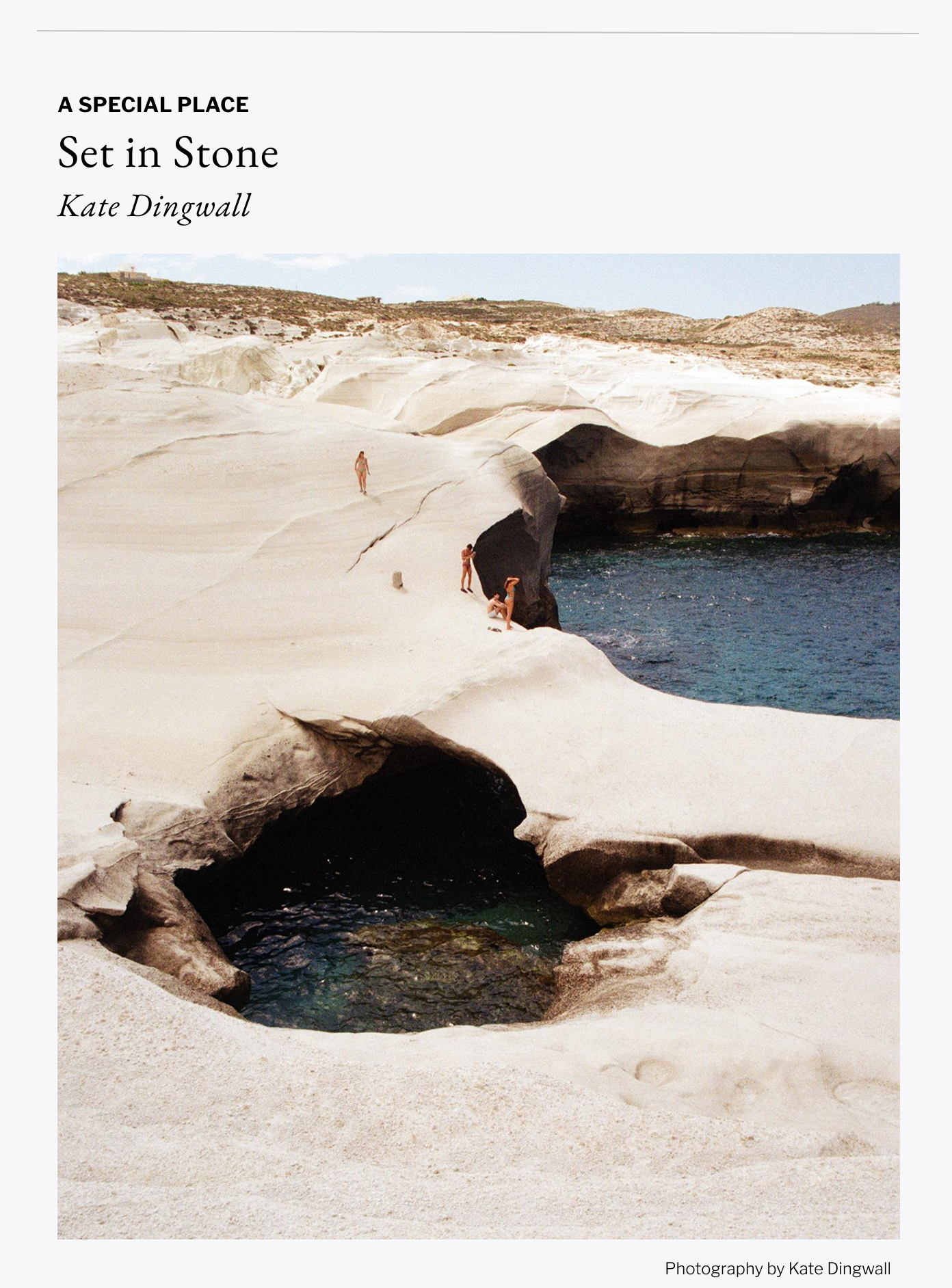
I’m not one to be influenced by the internet, but I’ll admit I was drawn into Milos through my phone screen. The Greek island’s famed Sarakiniko Beach is an Instagram darling, albeit an otherworldly one carved over centuries from white rocks by passing tides and volcanic activity. It was even a hidden haven for pirates.
Now it’s a respite for sunseekers. Some visitors recline on flat parts of the volcanic curves, sipping local wine and flipping through novels. The brave dive off the shore's highest curves. We preferred to float in its quiet coves.
Word to the Wise … Stay until sunset to watch the lunar landscape change color. Afterwards, head to the nearby O! Hamos! Tavern for saganaki (pan-fried Greek cheese) and stewed chickpeas. Locals also love Bakalikon Galanis, with its hand-scrawled menus and warm hospitality.
|
|
Great Expectations. I approached Atoboy in New York City with an empty stomach and a touch of anxiety — I deeply wanted it to live up to the hype. It truly did. Inspired by Korean banchan (side dishes), the restaurant is the first from husband-and-wife team chef Junghyun (JP) and manager Ellia Park. Its industrial, earth-toned interiors provided a fitting background to vibrant dishes, such as buttery sea urchin on top of crunchy black quinoa and steamed egg; tender shrimp-stuffed squid with chili crisp; and melt-in-your-mouth oxtail in a spicy broth topped with herbs. A bowl of sujeonggwa granita with lychee yogurt and burrata cheese was a divine finish. I've never tasted anything like it. –Jackie Risser
The Shoe Fits. Had you told me back in my gothy junior high days that I would one day become obsessed with wearing loafers and boat shoes, I wouldn't have believed it. But, then, it would’ve been hard to imagine a shoe as soft and comfortable as the Sperry x Colbo Authentic Original™ Boat Shoe. This pair epitomizes the neutral cool and hyper comfort the downtown New York brand is known for (in this case, feather-light, super soft leather, and an extra thin sole), with the classic preppy vibe of the iconic Top-sider. Dressed up or down, they feel as buoyant as a pair of comfy socks. –T. Cole Rachel
Right at Home. A recent stay at The Rittenhouse has reaffirmed my belief that Philadelphia, my hometown, is simply New York City in a smaller package. The grand hotel blends as seamlessly into its posh Rittenhouse Square surroundings as it would into Billionaires' Row in Manhattan. The guest experience reflects this elegant setting — as does a unique partnership with Bario Neal. The local, women-owned, sustainable fine jewelry brand has crafted an heirloom locket from 14-carat recycled gold and ethically sourced diamonds that echo Rittenhouse Square Park’s design. However, the real star attraction may be the hotel’s culinary program, which included a potato risotto at Lacroix, served with chive oil and a generous dollop of caviar. –Lisa Lok
|
|
54 Franklin St #2R NY, NY 10013. ©2024 Dossier Projects, LLC.
|
|
|
|
|