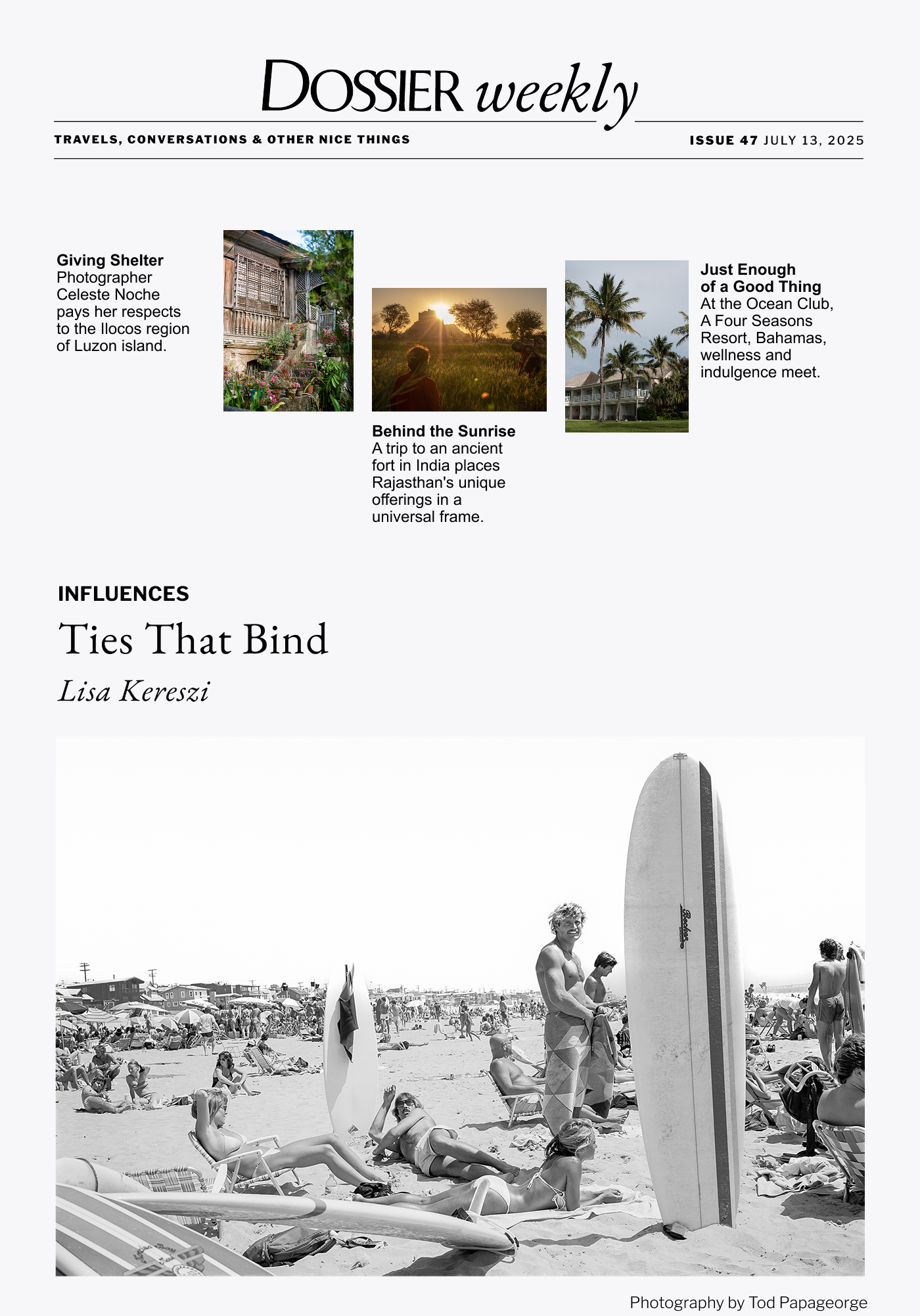
I viscerally remember my first day at Yale School of Art’s Graduate Studies in Photography. In 1998, I entered an old brick building and sat at one of those old-time wooden desks with a folding table. I had heard from an alum how we might hear lectures by the likes of O. Winston Link and Robert Frank. Tod Papageorge, the acclaimed photographer and director of the program, told us about all of the classes and I remember thinking: Oh my God. I had studied with Stephen Shore and Larry Fink, and worked with Nan Goldin, but I didn't know anything about grad school. I was super naive. So my experience at Yale was really difficult at first. I cried after most of my first-year crits, seeking not just Tod’s approval but also the approval of famous visiting artists. I learned quickly, though, how to unconsciously put a picture together and how to verbalize what I was trying to do. I presented a portrait of a friend with her dog: She was wearing bunny ears and the dog was wearing bunny ears. I think Tod really loved the picture. |
|
One of the big things I learned was accepting that photography is not the truth. Yes, it's a recording of the world. But it's utterly transformed by the medium, the print, the camera, the lens, the photographer, the time of day. It’s a transformation of the real world filtered through you. When I finally got that through my head, it helped me make better pictures and trust myself. Tod helped me understand that my point of view could be valid and, with my point of view, I could transform the world.
In addition to producing my own work, I became an educator, serving as Yale’s Director of Undergraduate Studies in Art from 2013 to 2023 and, now, as Senior Critic and Assistant Director of Photography at the Yale School of Art. The students have inspired me to reconsider how pictures can be put together and loosen up my form.
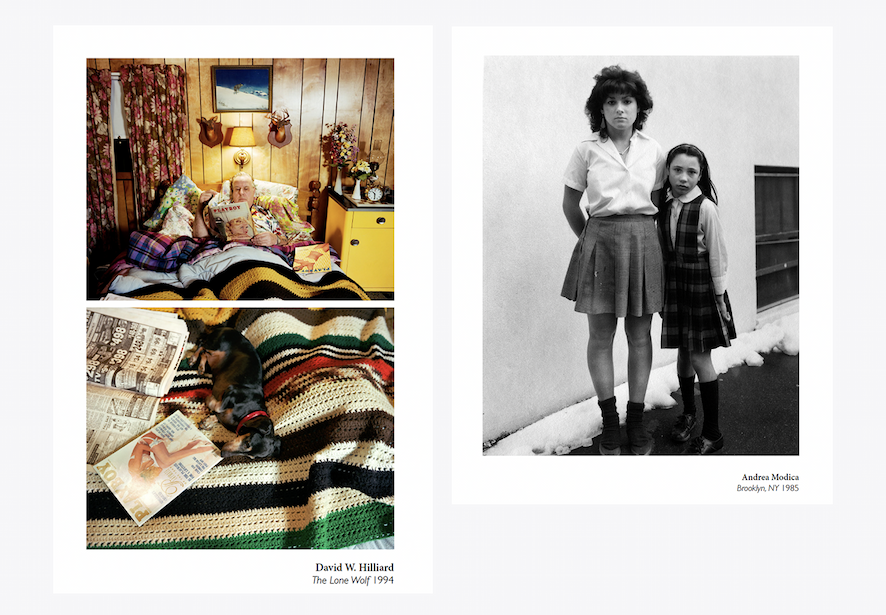
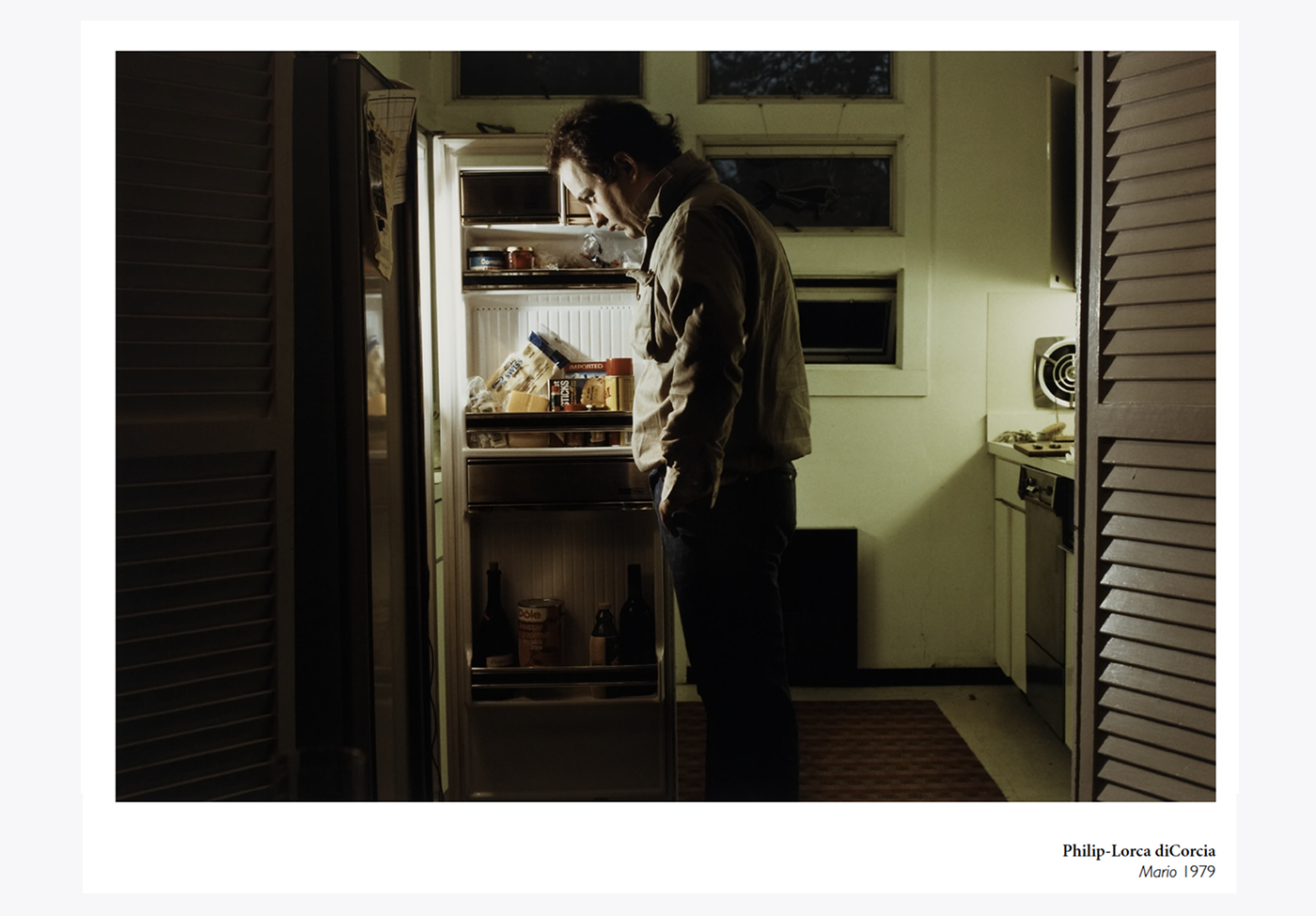
As a teacher, you never really know the effect that you're having, but Tod, both as an artist and a professor, undoubtedly shaped several generations of America’s most acclaimed contemporary photographers. I organized At the Beach (an exhibition featuring his large-scale photographs of Los Angeles beaches from the 1970s and 1980s) with In the Pool (a companion show of work from his MFA students, produced while they were at Yale) as a tribute to Tod and to offer a visual reflection on the nature of influence and mentorship in the arts. –As told to Alexandra Brodsky; this transcript has been edited and condensed for clarity and length.
At the Beach, in its East Coast debut, is on view at the Museum of Contemporary Art Connecticut (MoCA CT) until October 12 alongside In The Pool. |
|
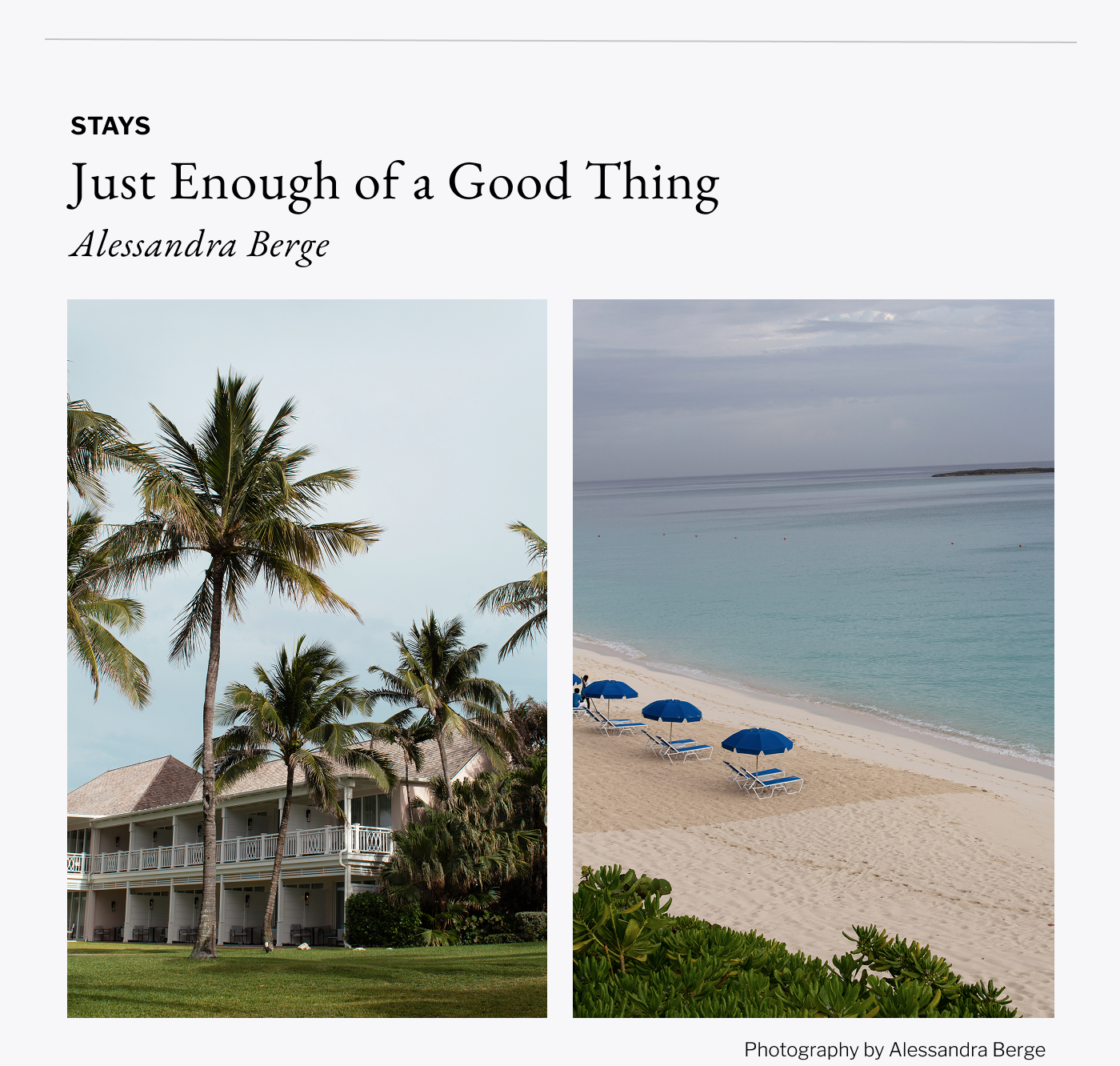
It takes approximately the same amount of time to fly from New York to the Bahamas as it does to drive from the city to the Hamptons. So at 7 a.m. one Monday morning, I opted for the former and boarded a three-hour flight from John F. Kennedy Airport to Lynden Pindling International Airport in Nassau. A short car transfer to the northern shore of Paradise Island later, and I checked into The Ocean Club, A Four Seasons Resort, Bahamas. My pre-visit vision of the resort was of the scenic beach setting featured in Casino Royale, Daniel Craig’s first James Bond film. Upon arrival, I realized the property offered much more than an upscale entrance and well-dressed valet. Along with crystal-clear, aquamarine ocean that borders the destination, its 35 acres are dotted with technicolor gardens (the most of any resort on the island), an 18-hole golf course, four tennis courts, and three gleaming swimming pools. I was there for a sneak peek of The Ocean Club’s Rejuvenation Getaways, a new summer series of weekend-long wellness retreats. Led by Nora Tobin, an integrative health coach and the founder of Nora’s Naturals, each getaway is designed to align the mind, body, and soul through four signature pillars: restore, perform, nourish, and glow. Ultimately, Tobin aims to provide guests with the tools needed to thrive in their busy lives without sacrificing indulgence. At the retreat, this ethos came to life through rejuvenating activities, including sunset yoga overlooking the beach capped by a crisp glass of wine or treatments in the resort’s spa, with its Balinese-style villas. Nora’s “Beverages with Benefits” and “Abs are Made in the Kitchen” classes, meanwhile, brought the wellness lessons home, while the coconut cake at the resort’s Dune by Jean-Georges restaurant made a very convincing case for those occasional pleasures. |
|
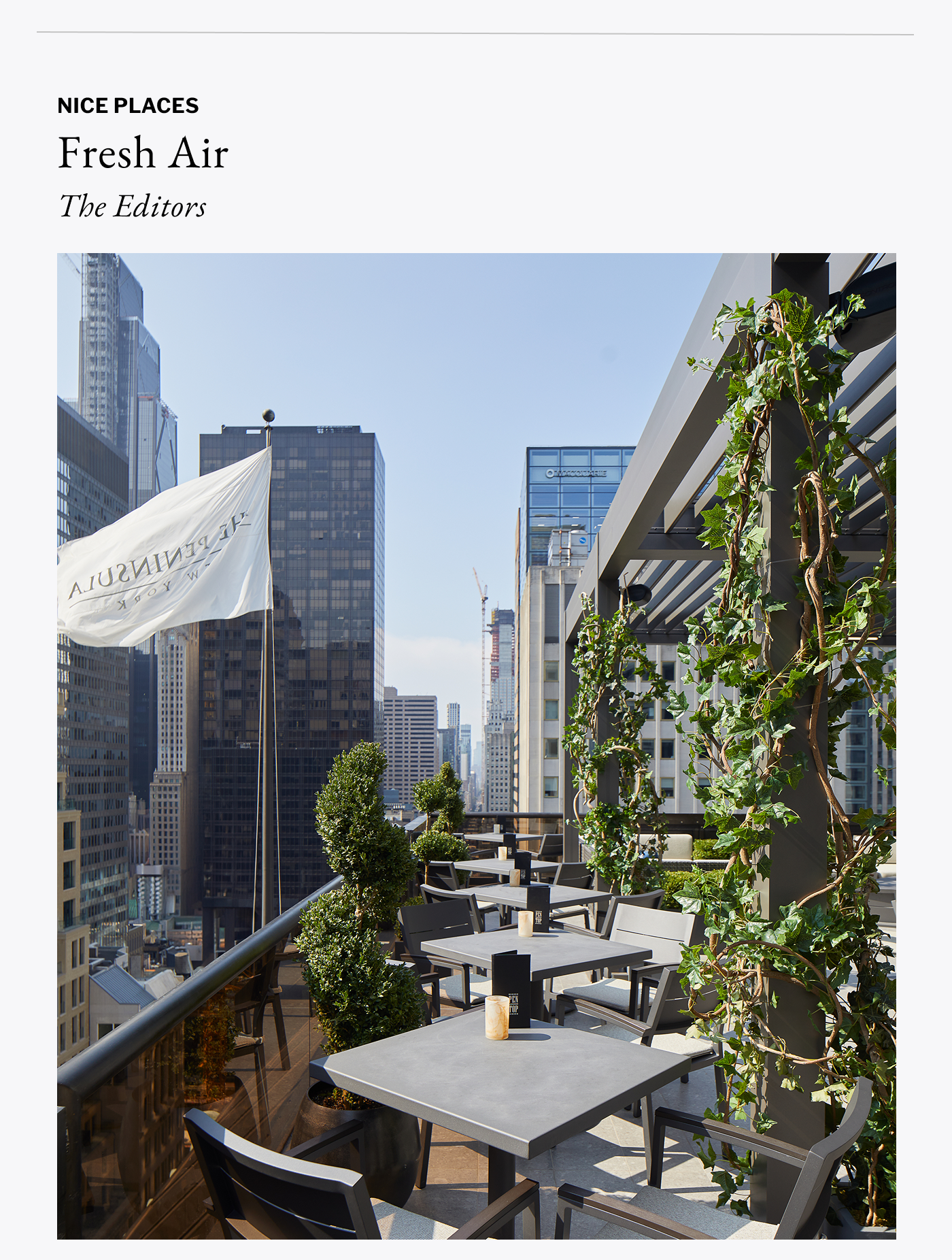
“I don’t think I could imagine anything more perfectly New York than this,” one of our friends recently remarked while seated at the revamped Pen Top, the skyhigh bar at The Peninsula New York. Reimagined as a leafy artist’s loft, the space boasts a louvered roof for indoor-outdoor seating, a martini-heavy cocktail menu, and an extensive wine program. Stake out a table near the rooftop’s corner for champagne at sunset and you’ll be rewarded with fiery (and extraordinary) city views. It’s not just the Pen Top that has received a polish, however. The bulk of the hotel’s guest rooms and suites, along with many of its public spaces and dining establishments, have been given a savvy makeover that embraces modernity and the 1905 landmark building’s history in equal measure. Replete with art nouveau flourishes, a grand foyer, and an iconic facade, The Peninsula continues to epitomize the romantic ideal of classic Manhattan — from top to bottom. |
|
“You know India changes people,” I was told enroute to the country by my good friend and travel companion on the journey, Andee, an American with a deep and expansive relationship with India. I had heard the claim before, with some attributing the shift to the unmasking of poverty that characterizes many of India’s streets. Others claimed it was the differences in lifestyle: masses of people living simply in incredibly close proximity. Andee agreed with these observations, but connected her own affinity for the nation to its people. “You’ll see,” she said.
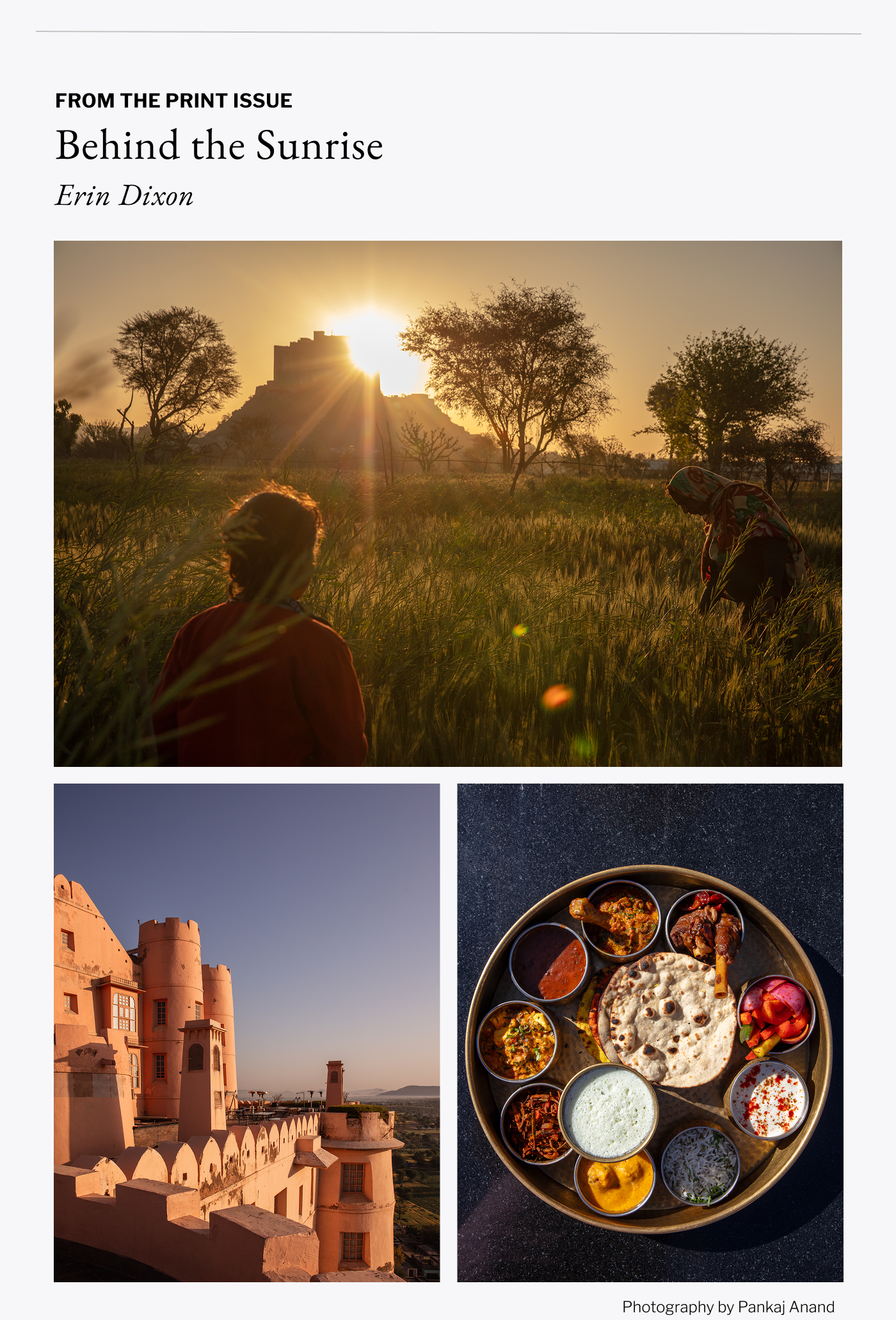
I was reassured. An internal shift was, in fact, the personal purpose of this trip to Rajasthan, which included stops in its capital, Jaipur, and Alila Fort Bishangarh, just over an hour’s drive from the city. My intention was to leverage the journey's physical perspective to gain psychological perspective on my life and, ideally, its greater meaning. |
|
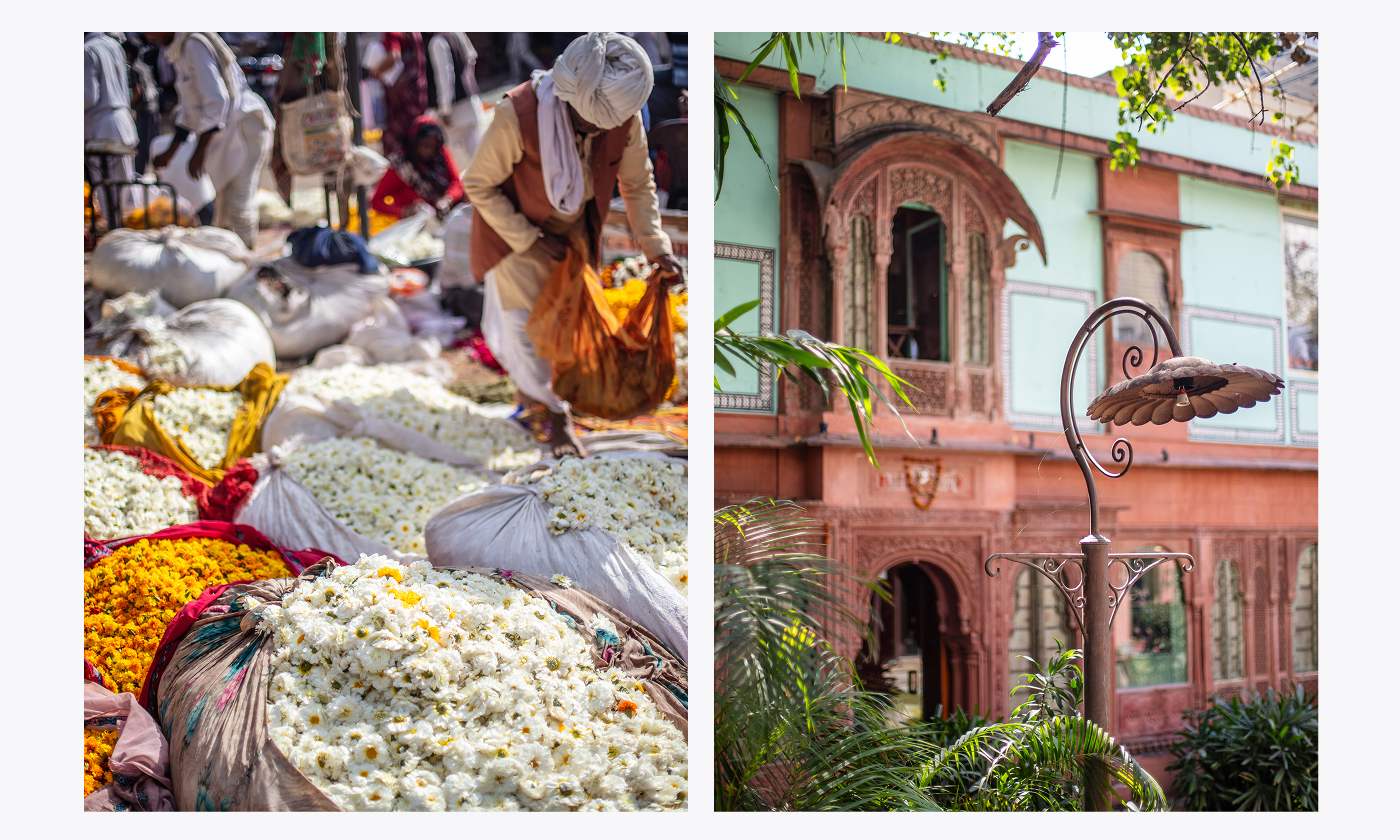
From the airplane window, the landscape of Rajasthan looked a lot like Palm Springs: dusty and sparse, with scrub brush-topped hills and mud-colored buildings. Then Jaipur appeared, a puzzle of geometric rooftops, domed palaces, and burnished jewel hues. Not Palm Springs. I documented initial differences in my arrival notes: toy-like auto tuk-tuks; reckless mopeds; women in saris riding side-saddle; car cacophony; University of Rajasthan; flocks of pigeons; no crosswalks; Birla Mandir Hindu temple: white marble nestled below a weathered stone fort; Modi signs; Rising Rajasthan: Replete, Responsible, Ready; Jains, World Trade Park; corporate towers; There For You cafe; blow horns and Great India on the backs of colored trucks; stray dogs the size of lanky labs; magenta blooms on emerald vines, marigold flower pots in the terracotta median; white-and-black striped curbs; erupting flower markets; psychedelic textiles; kaleidoscope gems and gold; spice mounds; betel nut kiosks; chaos without freneticism. No one is going anywhere fast …
Read this full story and more close takes on a wide world in our print issue. Order now.
|
|
My mother would tell me stories about Ilocos all the time when I was growing up — mainly that her uncle lived there and, during her last years living in the Philippines, she'd take 12-hour bus trips biweekly to visit my sisters, who were also living there. I didn't understand it then, but Ilocos was a safe haven for my mother and sisters as they were fleeing a dangerous living situation.
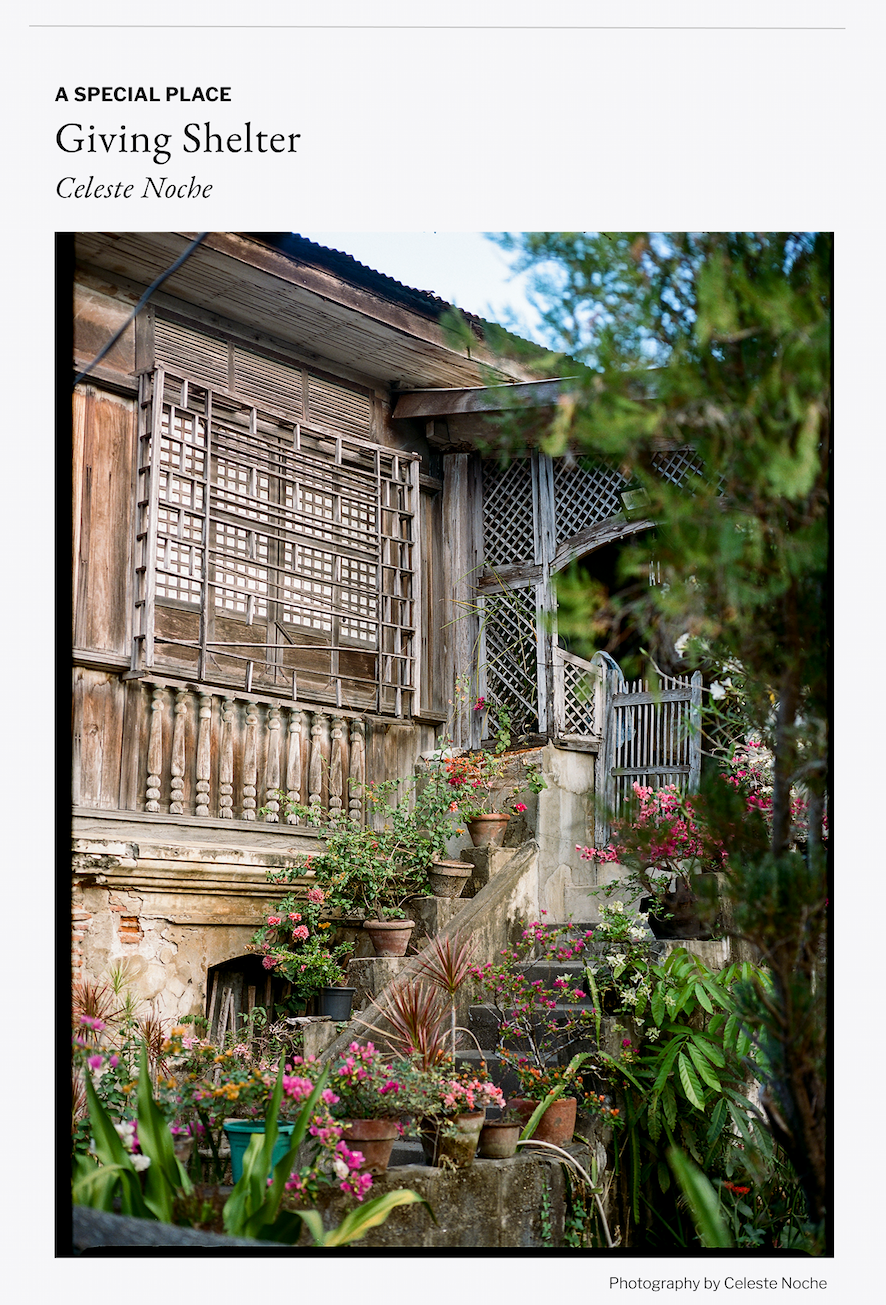
Earlier this year, I visited Ilocos for the first time. It was still dark when I arrived at 3 a.m. on the bus. As the sun rose, I began to see everything around me more clearly: an early 1800s Spanish colonial home high above the ground, dark-wood walls spotted with light glowing through capiz shell windows. I could see and hear chickens pecking below through the wood-slat kitchen floor while my Tita Annie and her helpers, Nora and Medi, set rice, fried eggs, longanisa, and bananas fried in sugar on the table. Outside, laundry hung on a line and bougainvillea of all colors lined the stone stairs. The neighborhood was still quiet when I stepped out to look, in gratitude, at the house standing before me. |
|
It’s All in Your Mind. I have not, to date, starred in a Western, but if I ever do, I know what it’ll sound like. The recent heat inspired me to revisit Sonido Cósmico, last year’s release from Ecuadorian-Swiss brothers Hermanos Gutiérrez, ahead of attending their upcoming performance in Ojai, CA. Sparse and cinematic, layered and longing, it’s a soulful interplay that conjures feelings of an extended journey — the perfect instrumental vibe for a long stretch of highway or, perhaps, just a long night of margaritas. –John Chuldenko
Chef’s Choice. The dining experience at Nama at Aman, the omakase restaurant situated within Aman New York, began with a small but meaningful ritual: choosing chopsticks and a sake glass from a tray, with no two items alike. It was an engaging precursor to the 18 courses that followed, each prepared by chef Takuma Yonemaru, who combines traditional washoku principles with seasonal ingredients (some of which are flown in from Tokyo’s famous Toyosu Fish Market). There were five otsumami (small bites), including Hokkaido uni and Kegani risotto; A5 Kobe Beef cooked sukiyaki-style; 11 pieces of nigiri; and two desserts — all served at the restaurant’s seven-seat, Hinoki wood counter. An insider tip: After you finish your meal, head down to The Jazz Club, the hotel’s subterranean speakeasy, for a live performance accompanied by champagne and chocolates. –Annie Lin
Crosscountry Companions. I’ve driven across the U.S. three times — notably in the days of paper maps, which led to many wrong turns, peculiar detours, and exposure to the weirdness that makes such trips so great. I was recently heartened to learn that a legion of app developers seem to agree with me. As this New York Times article highlighting digital tools for U.S. road trips confirms, their creations aim to maintain the magic of discovering offbeat attractions, rather than diverting you from them. –Skye Parrott
|
|
54 Franklin St #2R NY, NY 10013. ©2024 Dossier Projects, LLC.
|
|
|
|
|